
This topic contains a solution. Click here to go to the answer
|
|
|

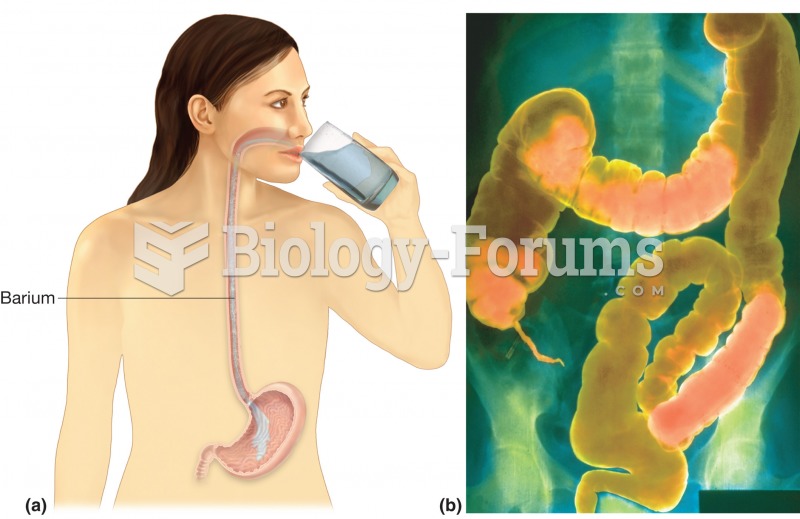 GI series. (a) Upper GI series begins with a barium swallow, barium shake, or barium meal. (b) Lower
 A Dorsal view of a scan of the hand phalange of a child from Denisova that yielded mtDNA that differ
 A Japanese American child in California tagged for relocation to an internment camp.
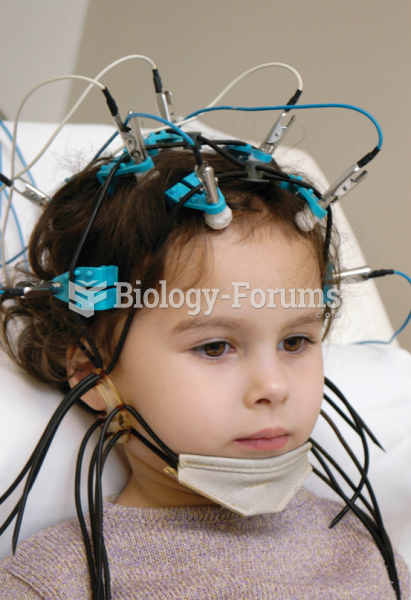 EEG electrodes attached to the child’s scalp provide a record of brain activity in multiple ...
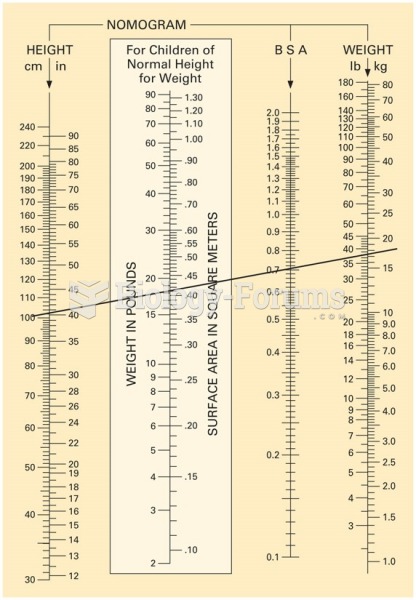 Nomogram chart. This example shows a line drawn from a child’s height of 100 cm to his weight, 35 ...
 A child with rickets