A brain biopsy is sent to the microbiology laboratory for aerobic and anaerobic culture. The specimen is in a sterile cup with sterile saline. The patient's diagnosis is listed as a brain abscess.
The microbiologist notices the patient name on the handwritten label on the specimen cup does not match the computer labels for the test orders. What action should be taken?
A) Reject the specimen because the names do not match
B) Process the specimen as soon as possible since it is not in an anaerobic transport system
C) Review and follow the policies and procedures for receipt of a non-recollectable, mislabeled specimen
D) Both B and C
Question 2
A missionary has recently returned from Africa. The infectious disease specialist suspects the woman has been exposed to Ebola virus. What specimen type is needed to assist in the diagnosis of hemorrhagic fever?
A) Serum B) Biopsy material
C) Bone marrow D) Swab of lesion material


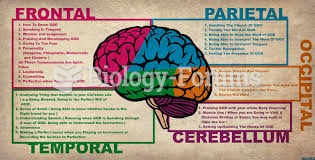 brain diagram
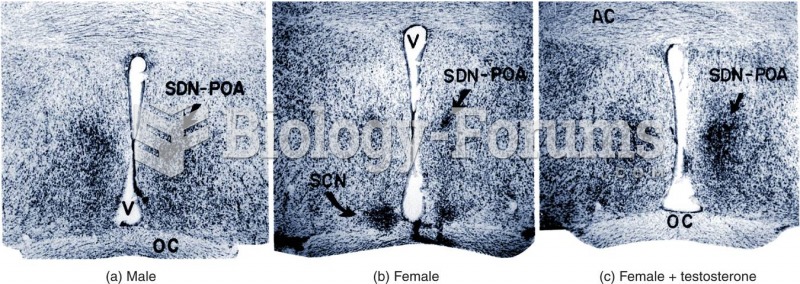 Preoptic Area of the Rat Brain
 Language is the basis of human culture around the world. The past decade has seen major developments ...
 listen to your brain not your heart
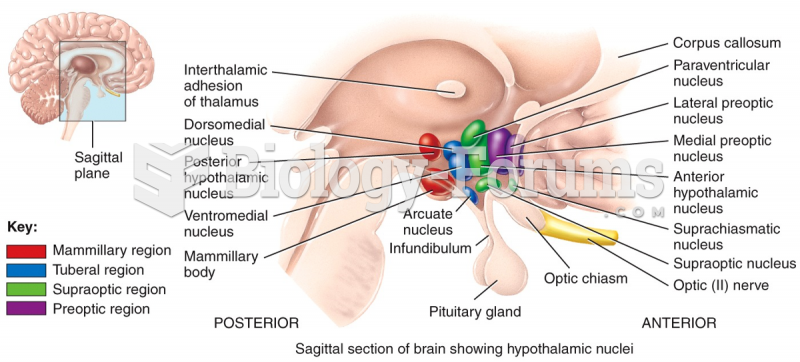 Sagittal section of brain showing hypothalamic nuclei
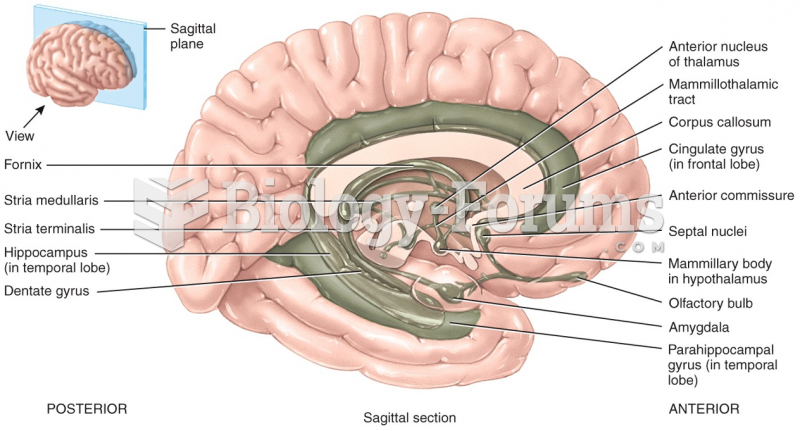 Sagittal section of brain