The pediatric nurse is observing a student nurse teach a child how to use a peak flow meter. Which instruction by the student requires intervention by the pediatric nurse?
A.
Exhale for as long as you can to empty your lungs.
B.
Keep your tongue away from the mouthpiece.
C.
Stand up straight and tall when using the meter.
D.
Write down the highest of the three readings.
Question 2
A nurse is using the CUPS method of assessing a child's respiratory status and documents the following: open airway containing secretions, increased respiratory rate and effort, wheezing, mucous membranes pale pink in color, and fever.
Based on this system, which is the appropriate rating for this child?
A.
Critical
B.
Potentially unstable
C.
Stable
D.
Unstable


 The tone of the nurse-patient introduction sets the stage for the patient interview and patient care
 The nurse conducts the health history as the first step in the nursing assessment
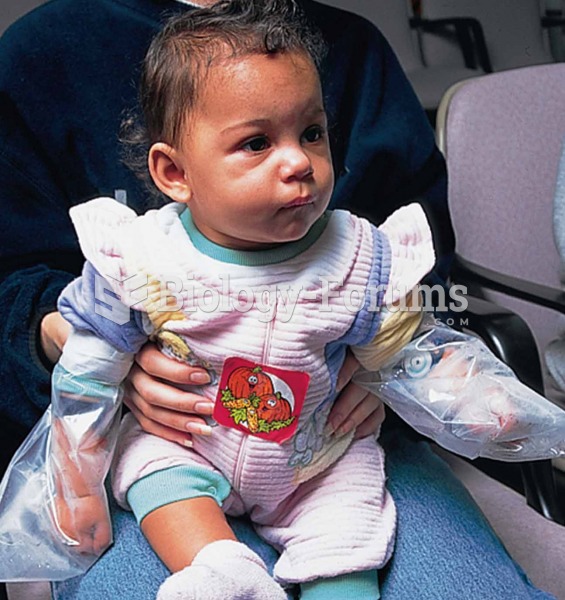 Evaluation of a child for cystic fibrosis with a sweat chloride test. Sweat is being collected under
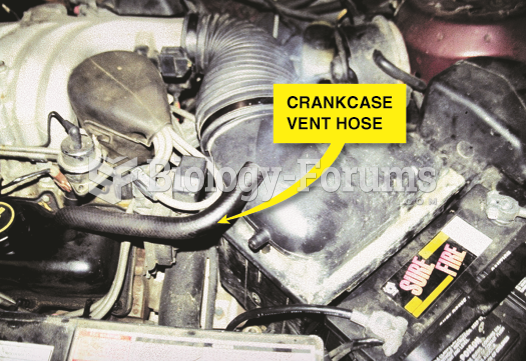 Blowby gases coming out of the crankcase vent hose. Excessive amounts of combustion gases flow ...
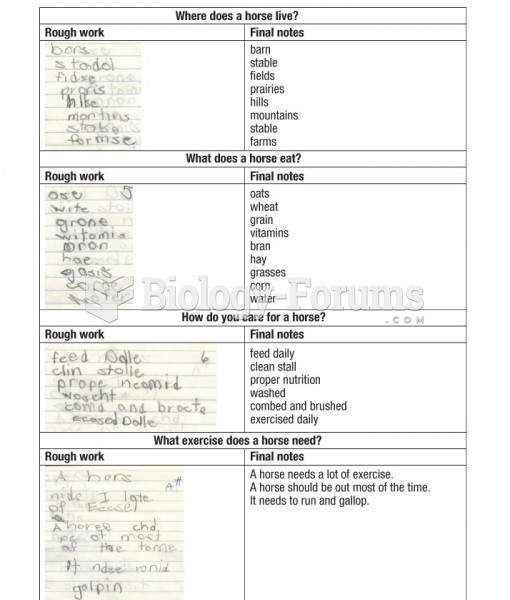 A sample of work by a Grade 4 student with a specific learning disorder
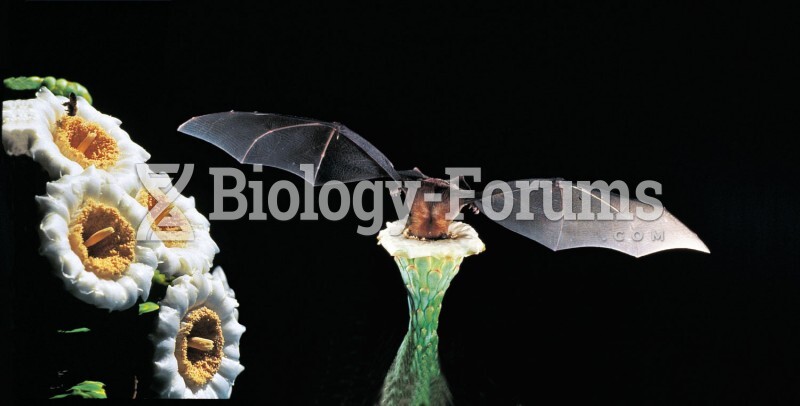 The large, white flowers of giant saguaro cactus (Carnegiea gigantea) produce sweet nectar. The flow