In the one factor repeated measures ANOVA, the total sum of squares is calculated by adding the sums of squares for the _____sources of variance.
a. between and within treatment c. within treatment and within error
b. between and all within d. between and within error
Question 2
For a one factor repeated measures ANOVA, the effect size is calculated by comparing the _____.
a. within subjects treatment variance to the total variance
b. within subjects error variance to the total within subjects variance
c. within subjects treatment variance to the within subjects error variance
d. within subjects treatment variance to the between subjects variance


 Polyploidy has been an important factor in the evolution of plants.
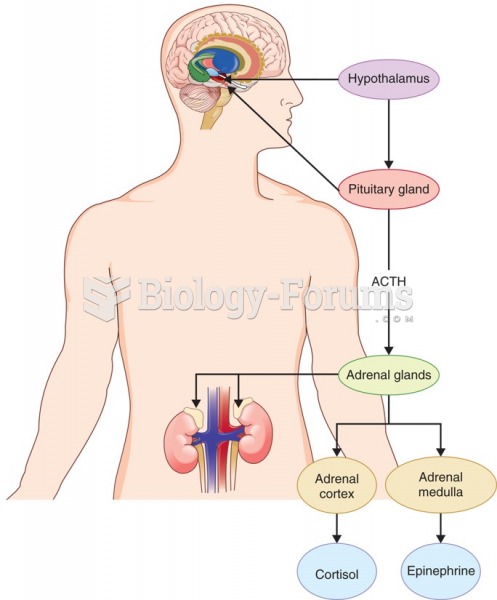 According to neuroendocrine models of depression, repeated or chronic stress results in overactivity ...
 How to factor a trinomial using trail-and-error
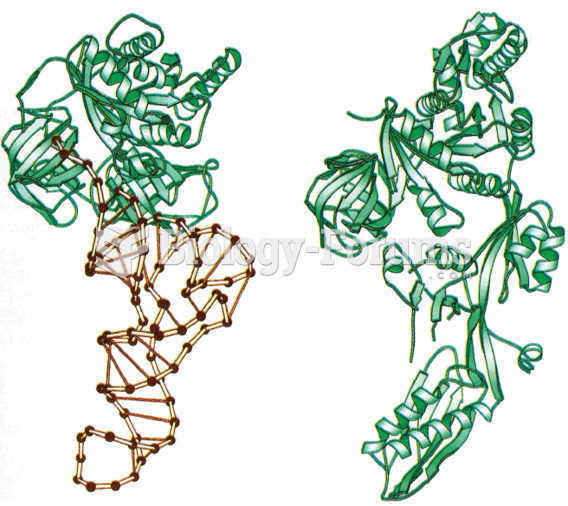 The striking structural similarity between the translocation factor EF-G (right) and the ternary
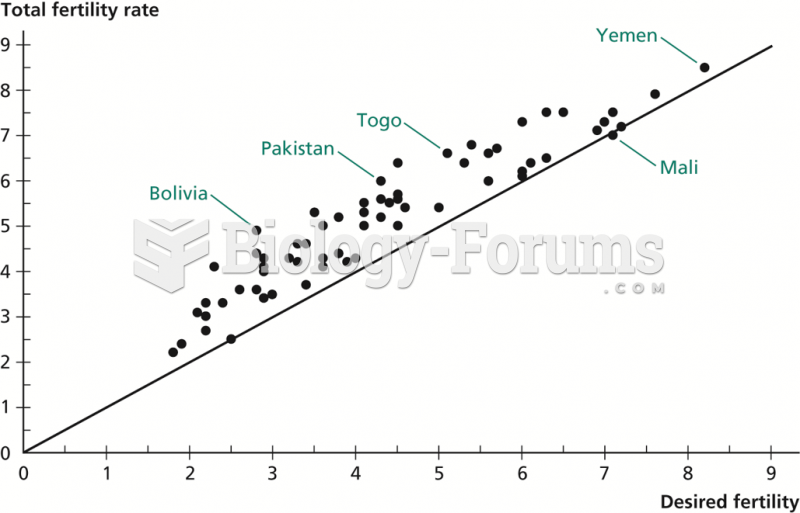 Desired Fertility versus Total Fertility Rate in Developing Countries
 Norimaki Zushi: Adding garnishes