Sears and Wal-Mart must decide whether to lower their prices, based on the economic profits shown in the table above. Which of the following is TRUE?
A) This situation is not a prisoners' dilemma.
B) If Sears lowers its prices and Wal-Mart does not, Sears will make a 20 million economic profit.
C) If Wal-Mart lowers its prices, Sears should keep its prices high.
D) Both Sears and Wal-Mart would jointly be better off if they could each keep their prices high.
Question 2
Agnes can produce either 1 unit of X or 1 unit of Y in an hour, while Brenda can produce either 2 units of X or 4 units of Y in an hour. The opportunity cost of producing a unit of X is
A) 1 unit of Y per unit of X for Agnes and 2 units of Y per unit of X for Brenda.
B) 1 unit of Y per unit of X for Agnes and 1/2 unit of Y per unit of X for Brenda.
C) 1 hour for Agnes and 1/2 hour for Brenda.
D) 1 hour for Agnes and 2 hours for Brenda.


 Although Neandertal brain sizes fall well within the modern human range, their EQ is lower than mode
 The lower intake manifold attaches to the cylinder heads.
 Economic Analysis of Social Issues Plus MyEconLab
 The Economic Way of Thinking
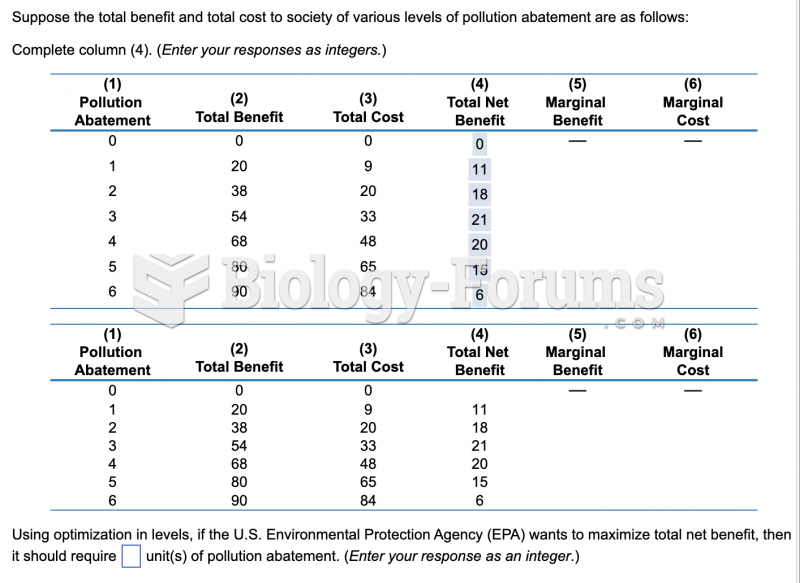 economic question
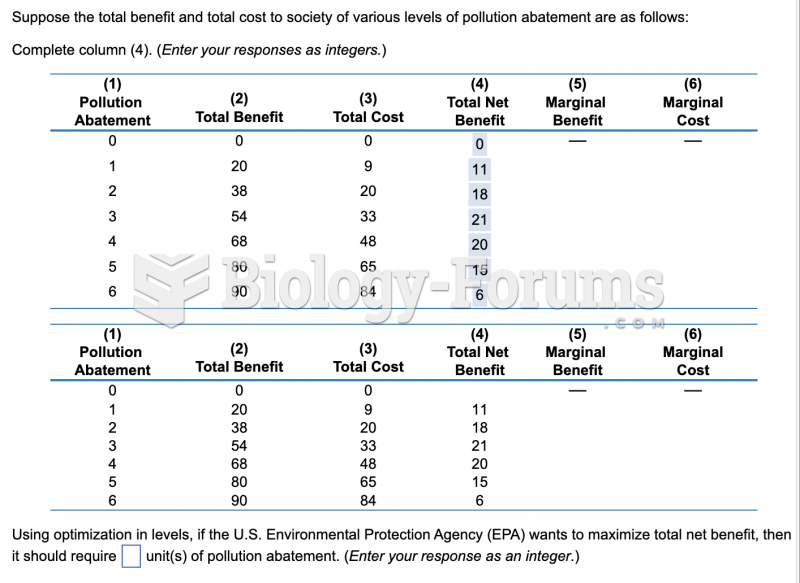 economic question