Under one type of HMO, the physicians are employees of the HMO and are paid a salary and sometimes an incentive bonus to hold down costs. This type of HMO is called a(n)
A) individual practice association (IPA).
B) staff model.
C) group model.
D) network model.
Question 2
Maria is covered under a group medical expense plan as an employee. She is also covered under her husband's plan as a dependent.
If Maria is hospitalized, how will each plan respond to her medical bills if both plans have the typical coordination-of-benefits provision?
A) Maria's plan is primary, and her husband's plan is excess.
B) Her husband's plan is primary, and Maria's plan is excess.
C) The primary plan is determined by which birthday, Maria's or her husband's, occurs first in the year.
D) Both plans will pay benefits on a pro rata basis.


 The Indian palm squirrel is the most common type of squirrel found in India.
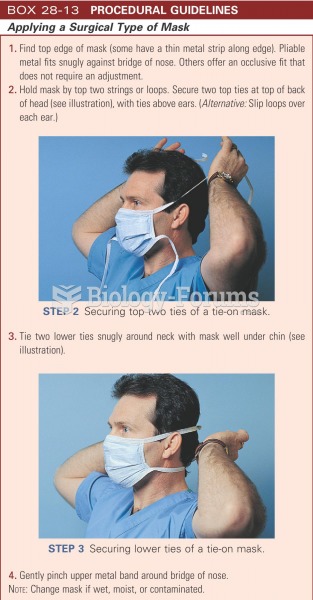 Applying a surgical type of mask
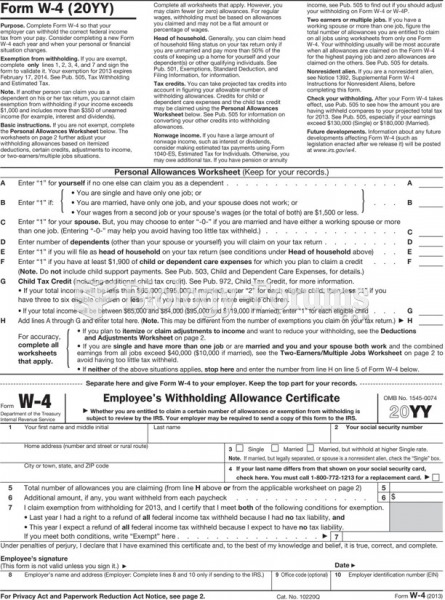 W-4 form used by employees to request IRS withholding.
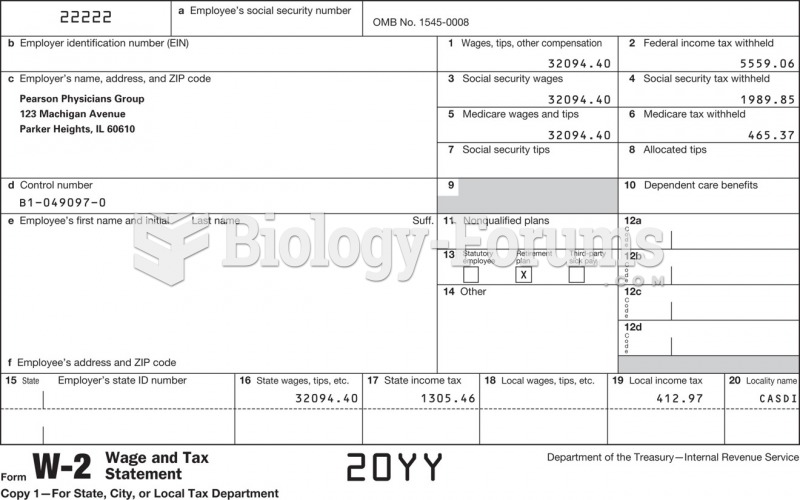 W-2 form issued to employees at the end of the year.
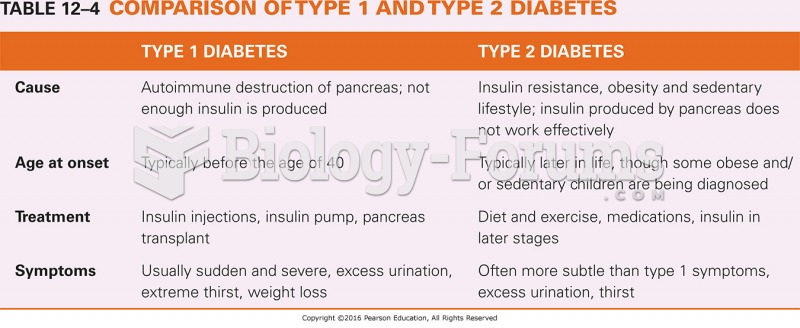 Comparison of Type 1 and Type 2 Diabetes
 A radiator may be either a down-flow or a cross-flow type.