
|
|
|

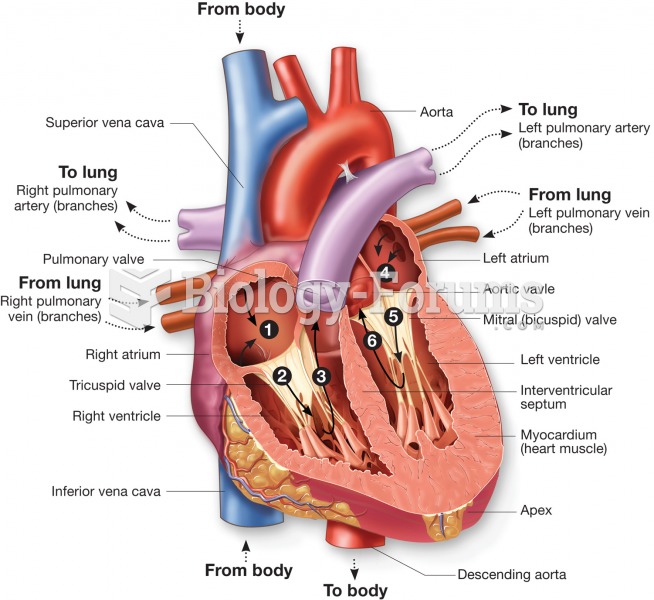 The path of blood flow through the chambers of the left and right side of the heart, including the v
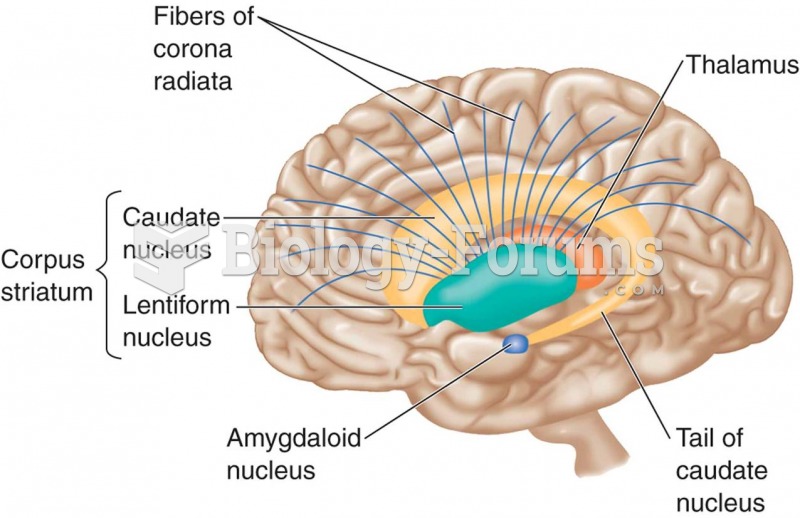 Basal ganglia: overstimulation of dopamine receptors may be responsible for schizophrenia
 Great Serpent Mound, Adams County, Ohio, Hopewell culture.
 Industry is responsible for 21% of global greenhouse gas emissions
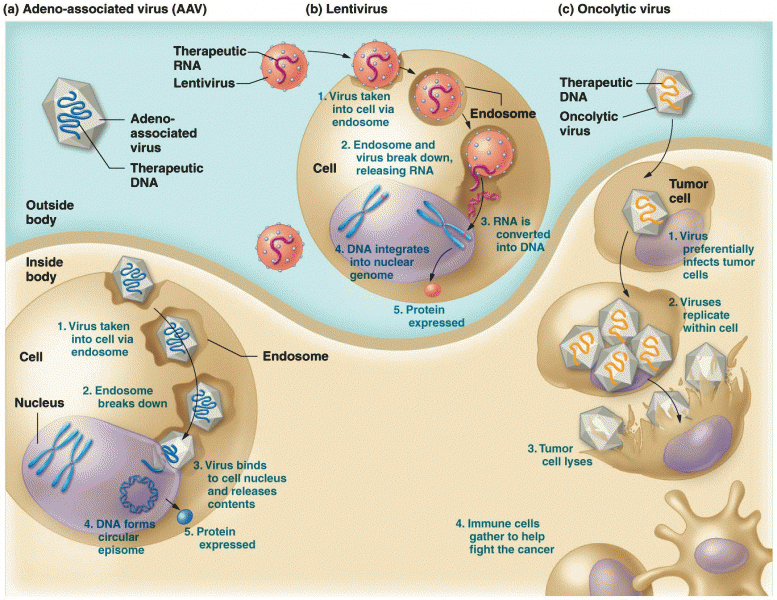 Delivering therapeutic genes
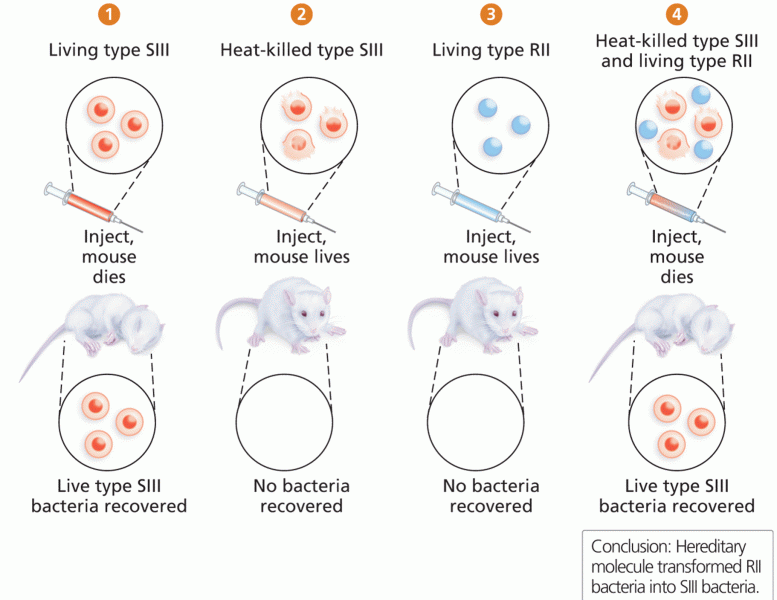 Frederick Griffith’s experiment identifying a ″transformation factor″ responsible for heredity