Answer to Question 1
Answer: Students' answers may vary. You might decide not to send the proposal at all. If you are missing one of the primary requirements of the project this may be the right course. But if the unmet requirement doesn't seem to be a deal breaker, you'd likely be better off sending your proposal anyway. If you decide to do so there are several ways to handle the requirement you don't meet. The first would be to ignore it. This is not the best idea as it will give the impression that you didn't carefully read the audience's request, which could undermine the credibility of the rest of your proposal. Another way to handle it would be to say it's irrelevant. This is also a poor idea, as it is arrogant and suggests to the customer that you know what they need better than they do themselves. Another approach would be to address it, but tactually and strategically point out how your proposal still achieves the customer's ultimate goal. It may be that none of your competitors can fulfill this requirement either, in which case you'd be evaluated on the merits of the rest of your proposal. It could be that there is a way to adapt or work around this issue to achieve the capability that the customer is seeking. Regardless, it is important to show respect for the customer's requests and opinions.
Answer to Question 2
Answer: Students' answers may vary. Every proposal must address audience requirements. If your proposal can't satisfy your audience's requirements, either stated or unstated, your proposal will not be accepted. But a good proposal will go beyond requirements and consider how your audience will benefit from your proposal. This may mean pointing out some perks of accepting your proposal, like saving money or time, or allowing the audience to be in compliance with certain regulations. If it is a competitive proposal, advantages that you have over your competition would be important to emphasize. You can also consider the objections your audience may raise, and address them by concession or refutation to diminish their power. Out of benefits and objections, what is more important will probably vary from project to project. If there are strenuous objections to a proposal that you can overcome, then this could be more powerful than pointing out a couple of beneficial but minor perks. On the other hand, if you can highlight a major and unexpected benefit, this will have a greater impact in terms of influencing people.


 Evaluating the Angle of the Anterior Chamber
 Infants often rely on a caregiver as a secure base when they meet a new person.
 Copiers should meet the particular needs of the medical office.
 China has relied on cheap coal to meet its demand for energy
 Sodium is so widely available in foods that you don’t have to go out of your way to meet your ...
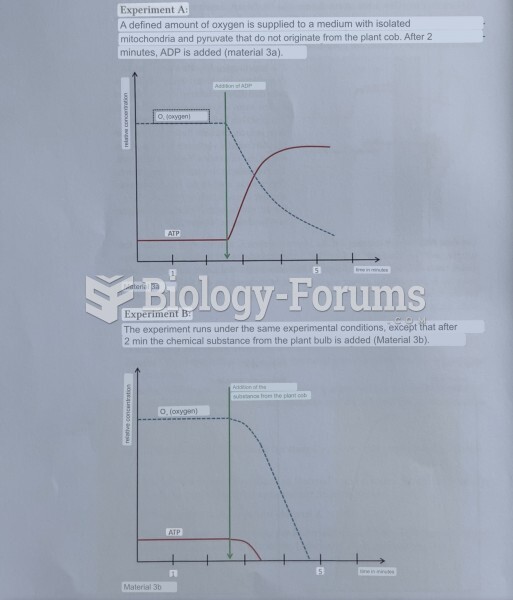 Evaluating an experiment (metabolic pathway)