Answer to Question 1
Answer: D
Explanation: D) Slides and other visuals can improve the quality and impact of your presentation by creating interest, illustrating points that are difficult to explain in words alone, adding variety, and increasing the audience's ability to absorb and remember information. Visual aids that contain too much information create a distraction for the audience, and can result in the loss of attention for the speaker.
Answer to Question 2
Answer: Some subjects are naturally more interesting to some audiences than others. If your presentation involves the health, wealth, or happiness of your listeners, most people will be interested, regardless of how you begin. With other subjects, though, you need to use some imagination to pull people in. There are six ways to arouse audience interest. One way is to unite the audience around a common goal. You could tell a compelling story that illustrates an important and relevant point. If your entire presentation is structured as a story, of course, you'll want to keep the interest high by not giving away the ending yet. A third way is to pass around an example or otherwise appeal to listeners' senses. Ask a question that will get your audience thinking about your message. Share an intriguing, unexpected, or shocking detail. The sixth way to arouse interest is to open with an amusing observation about you, the subject matter of the presentation, or the circumstances surrounding the presentationbut make sure any humorous remarks are relevant, appropriate, and not offensive to anyone in the audience. Regardless of which technique you choose, make sure you can give audience members a reason to care and to believe that the time they're about to spend listening to you will be worth their while.


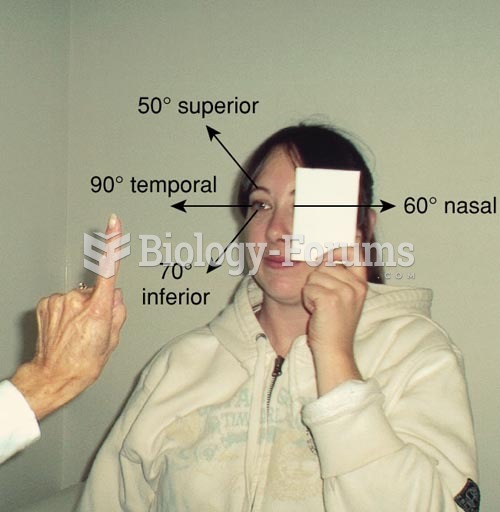 Testing Visual Fields by Confrontation: Visual Fields Range
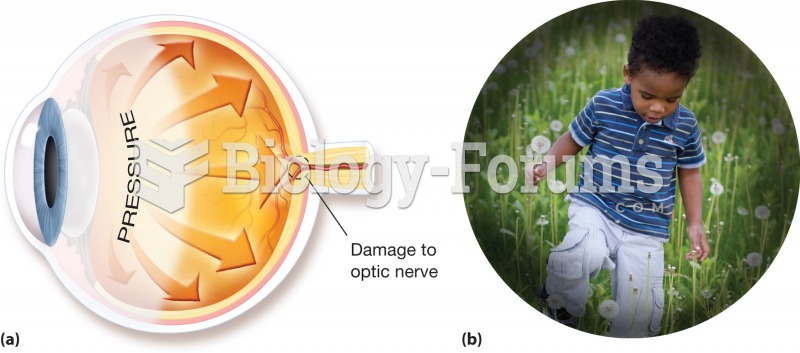 Glaucoma. (a) A buildup of pressure within the eye cavities, often caused by a blockage of vessels t
 computer model of the AIDS virus
 A visual inspection on this battery showed that the electrolyte level was below the plates in all ...
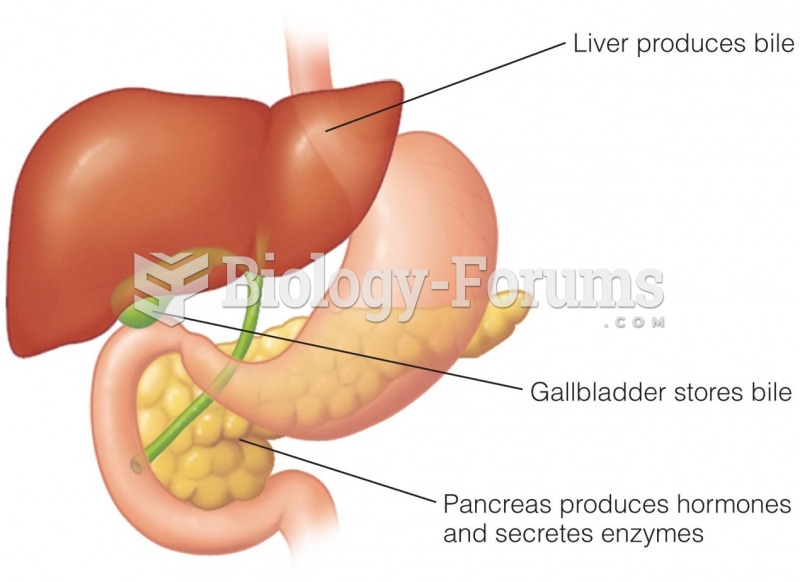 Hormones Regulate Digestion, Enzymes Chemically Digest Food, and Bile Aids in Fat
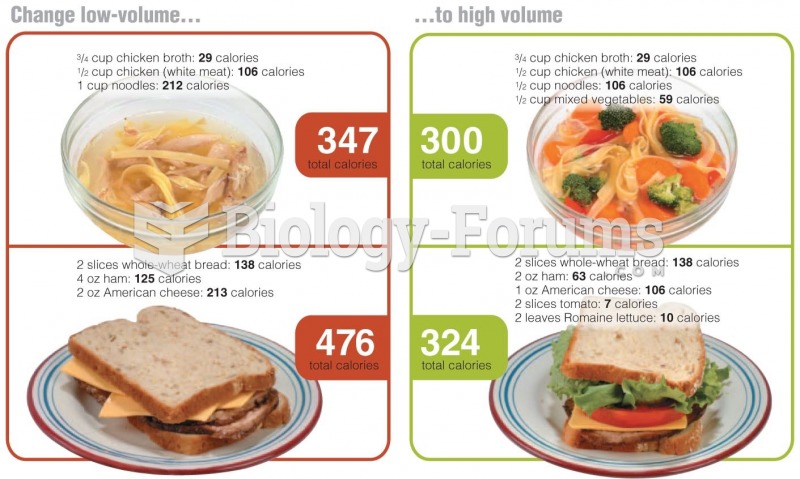 Adding Volume to Your Meals Aids Weight Loss