
This topic contains a solution. Click here to go to the answer
|
|
|

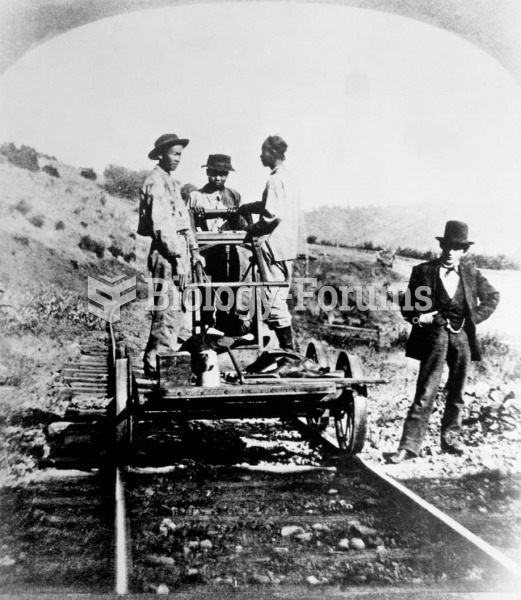 Chinese workers on a railway in the far West. “Without them,” Leland Stanford, president of the Cent
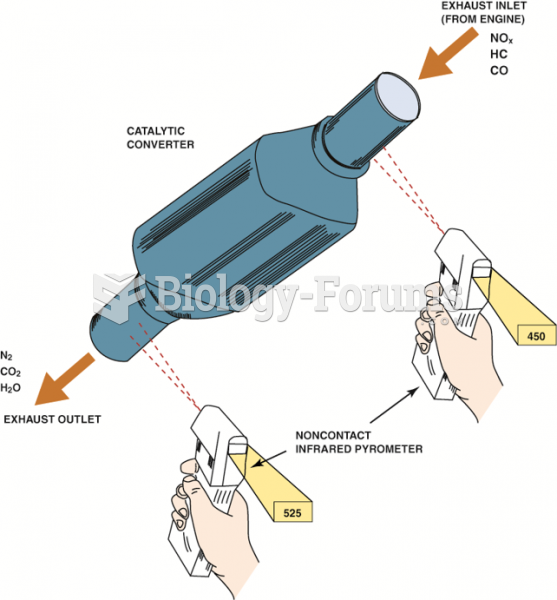 The temperature of the outlet should be at least 10% hotter than the temperature of the inlet. if ...
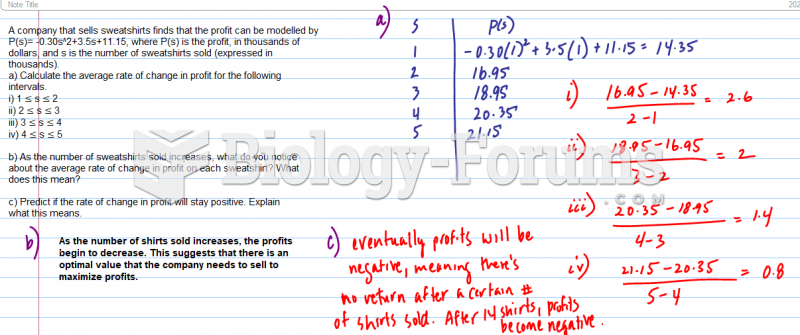 A company that sells sweatshirts finds that the profit can be modelled by P(s)= ...
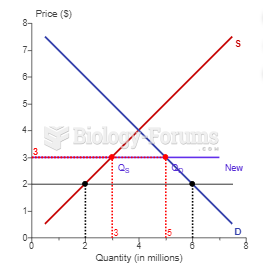 Suppose a country imports televisions. The country's supply and demand curves are shown in ...
 Cost = $99.49; Rate of markup based on cost = 32%. Find the markup and selling price.
 Stores