When the number of blending components exceeds the number of storage facilities, the number of feasible solutions to the blending problem
a. is reduced.
b. is increased.
c. is unchanged.
d. is zero.
Question 2
In 1996, forty percent of the students at a major university were Business majors, 35 were Engineering majors and the rest of the students were majoring in other fields. In a random sample of 600 students from the same university taken in 1997, 200 were Business majors, 220 were Engineering majors, and the remaining students in the sample were majoring in other fields. At a 5 significance level, test to see if there has been a significant change in the proportions between 1996 and 1997.


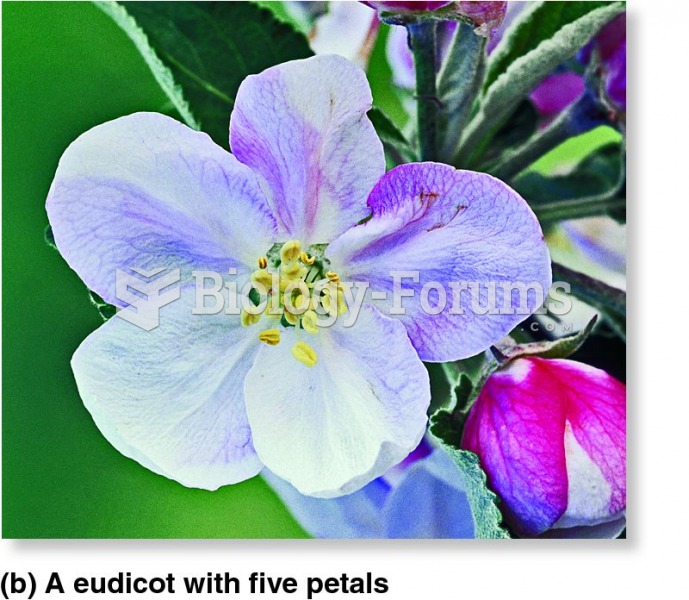 Flower part number is a characteristic difference between monocots and eudicots
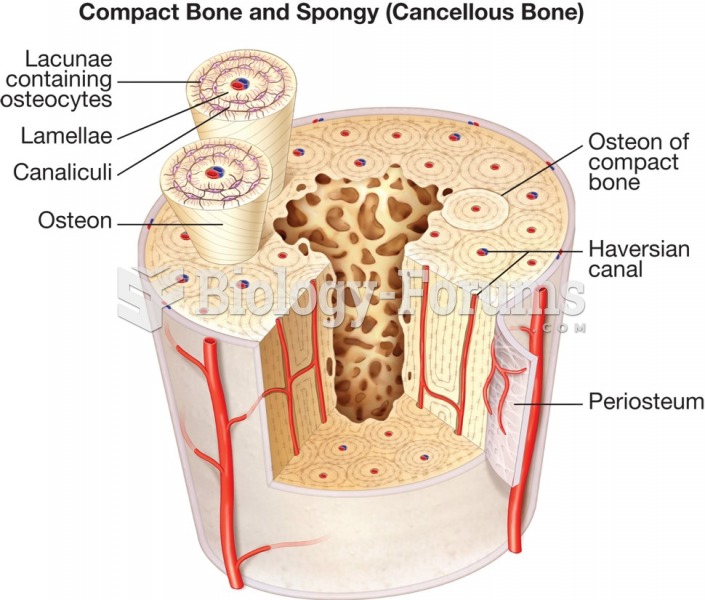 Microscopic components of osseous tissue.
 Young adulthood brings the greatest number of role transitions and highest levels of demands than ...
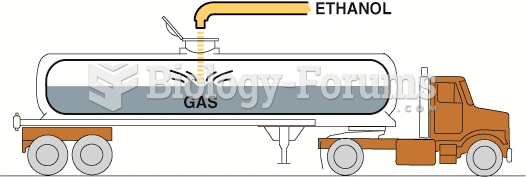 Splash blending occurs when the ethanol is added to a tanker with gasoline and is mixed as the ...
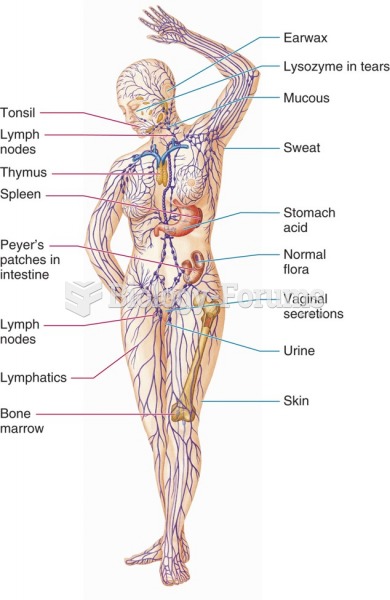 (a) Blue arrows (right side): External components of the innate immune system: human body with skin, ...
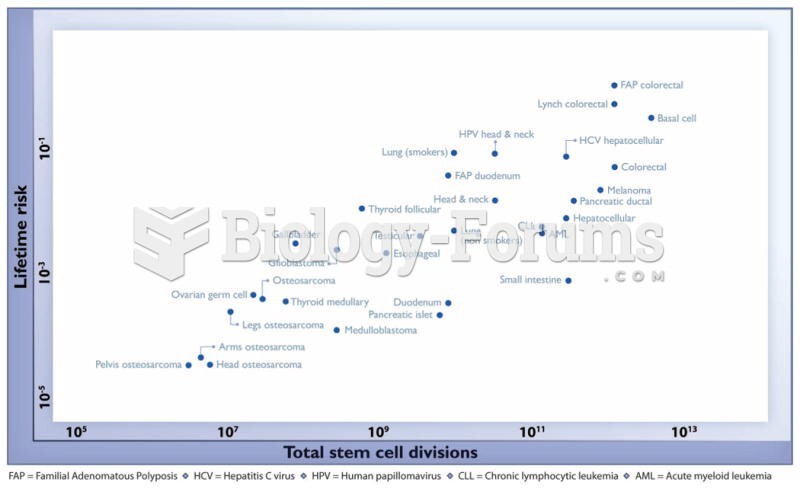 The relationship between the number of stem cell divisions in the lifetime of a given tissue and the