Answer to Question 1
Unless their agreement provides otherwise, partners have joint liability on all partnership contractual liabilities and joint and several liable for all torts. If the partnership does not have adequate assets to pay the firm's debts or liabilities, the general partners have individual liability for the full amount of the debts or liabilities. If all the partners but one are insolvent, the remaining solvent partner must pay all the debts. The solvent partner has a right of contribution but may be unable to collect. A partner who withdraws is liable for all partnership debts up to the time of the withdrawal.
Answer to Question 2
Title VII applies to employers, labor unions & employment agencies. It prohibits the refusal or failure to hire any individual, the discharge of any individual, or the discrimination against any individual with respect to compensation, terms, conditions, or privileges of employment because of that individual's race, color, religion, sex, or national origin.


 Color Coding in the Retina
 How to solve rate problems leading to fractional equations (Question 1)
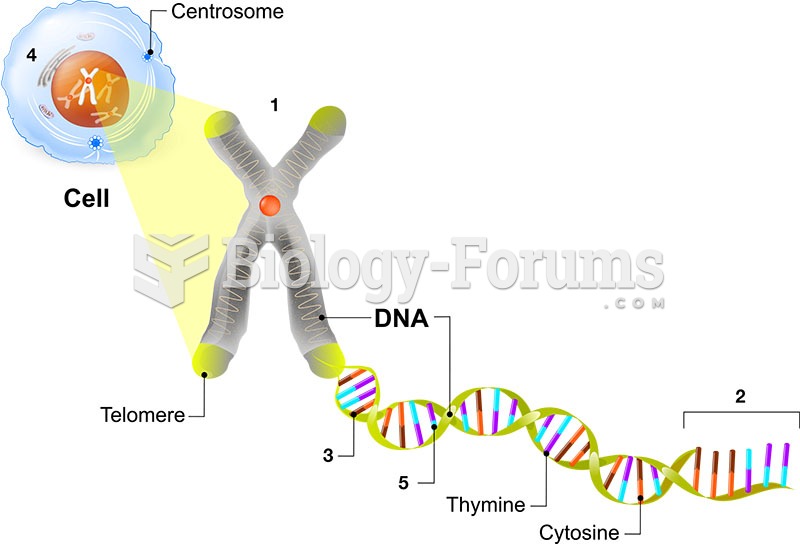 Molecular Genetics DNA picture matching question
 Color-enhanced electron micrograph of E. coli undergoing cell division
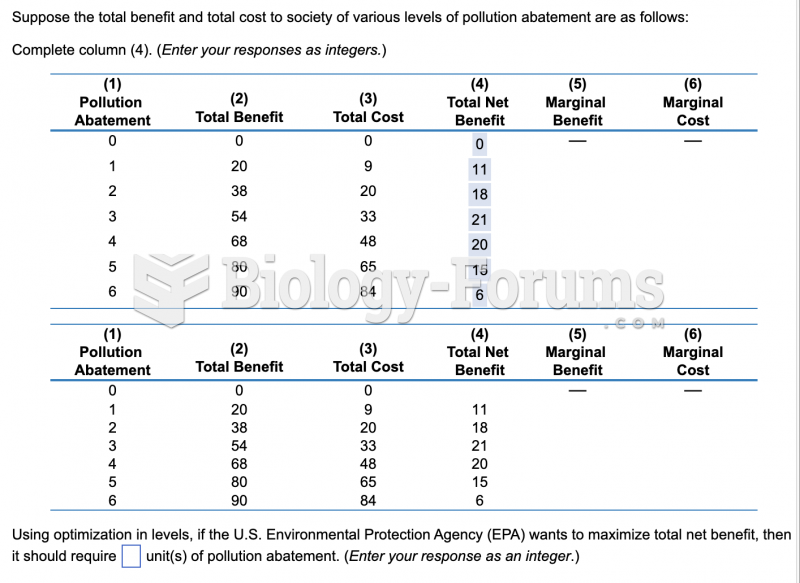 economic question
 Hazel Eye Color