
This topic contains a solution. Click here to go to the answer
|
|
|

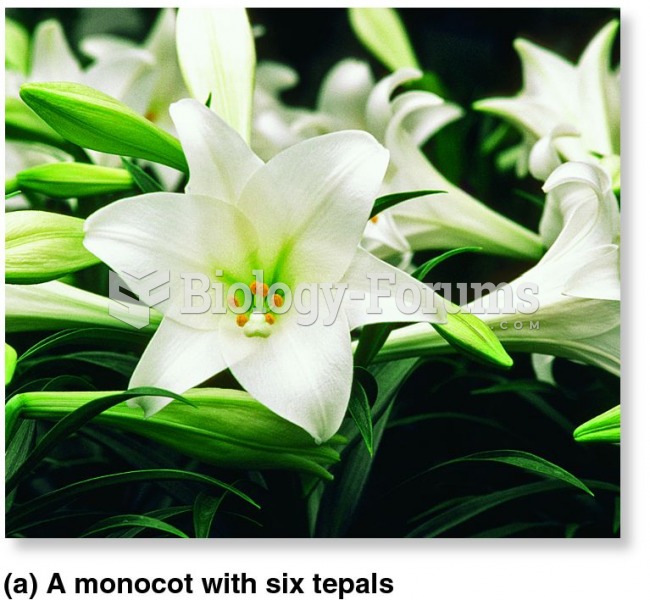 Flower part number is a characteristic difference between monocots and eudicots (a) Flowers and buds
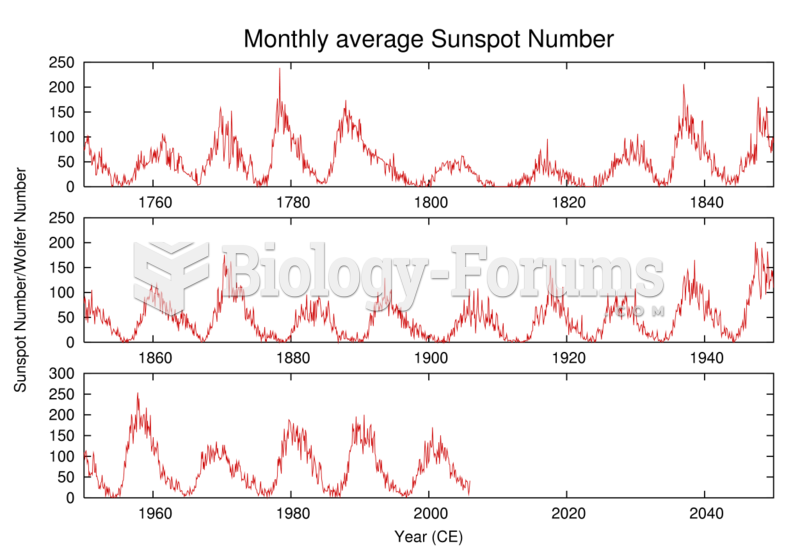 History of the number of observed sunspots during the last 250 years, which shows the ~11-year solar
 Number of positive, negative, and neutral images recalled by younger, middle-age, and older adults. ...
 PREHISTORIC EUROPE
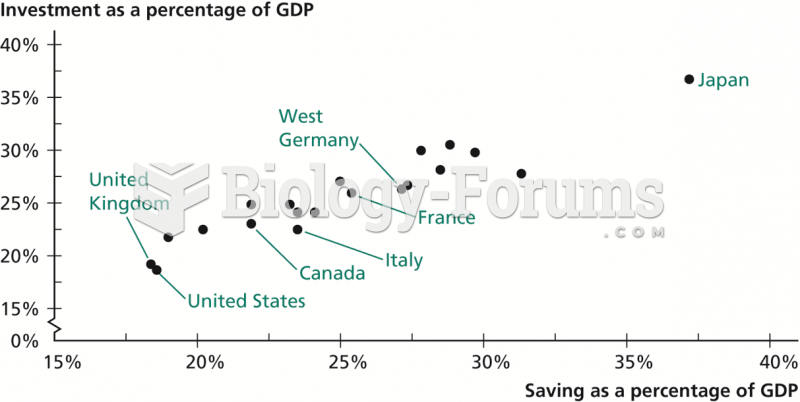 Saving and Investment Rates of Industrialized Countries, 1960–1974
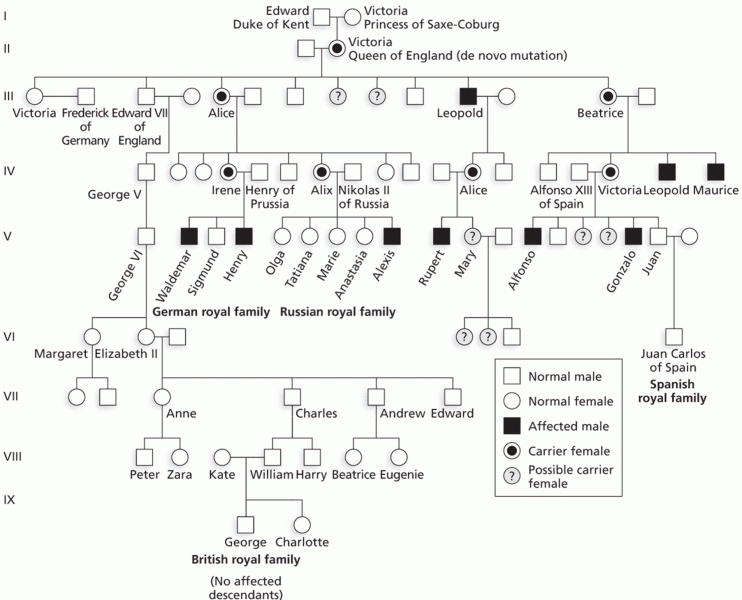 Hemophilia A in the royal families of Europe