A pregnant patient is experiencing back labor and complains of intense pain in the lower back. Which is the most effective nursing intervention to relieve this type of pain?
A) Effleurage of the abdomen during the contraction
B) Conscious relaxation/guided imagery in low fowlers
C) Counter pressure against the sacrum
D) Pant-blow breathing technique
Question 2
A patient in labor has just received IV sedation. What must the nurse tell the patient to do?
A) Ambulate only with assistance from the nurse or caregiver
B) Ambulate within 15 minutes to prevent spinal headache
C) Sit on the edge of the bed and dangle the feet before ambulating
D) Remain in bed for at least 30 minutes


 Physical therapist assisting a patient to walk in the parallel bars.
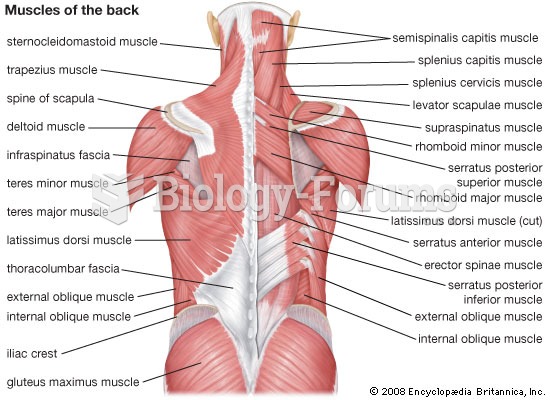 Human Back Muscles
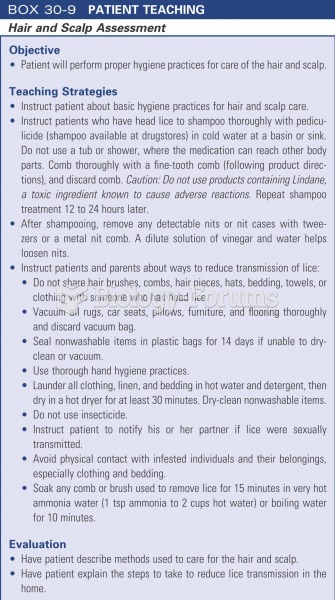 Patient teaching: hair and scalp assessment
 Patient diagnosed with type 2 diabetes mellitus. Periodontal examination revealed deep periodontal ...
 Knead accessible lower leg muscles; alternate with effleurage.