The interpretation of the coefficients in a distributed lag regression as causal dynamic effects hinges on
A) the assumption that X is exogenous
B) not having more than four lags when using quarterly data
C) using GLS rather than OLS
D) the use of monthly rather than annual data
Question 2
GLS
A) results in smaller variances of the estimator than OLS if the regressors are strictly exogenous.
B) is the same as OLS using HAC standard errors.
C) can be used even if the regressors are not strictly exogenous.
D) can be used for time-series estimation, but not in cross-sectional data.


 Effects of Groundwater Pumping
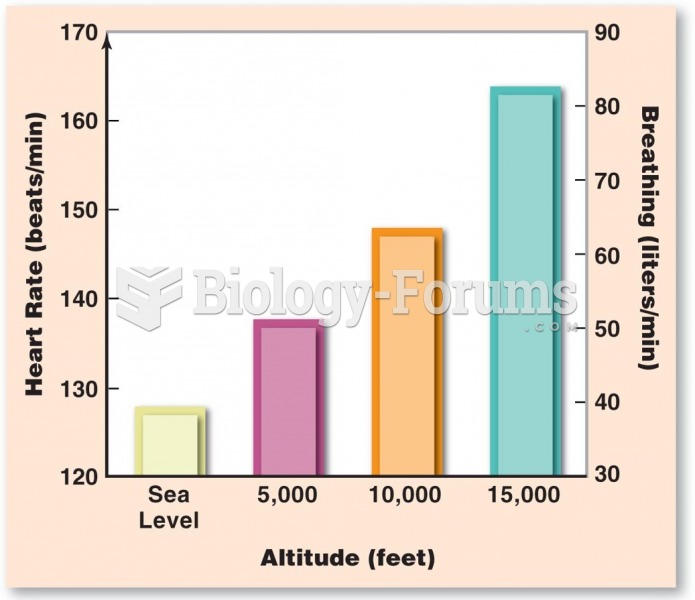 Effects of Elevation on Heart Rate and Ventilation
 Effects of Earth’s Changing Orientation: Solar Angle
 Summary of the Effects of Massage
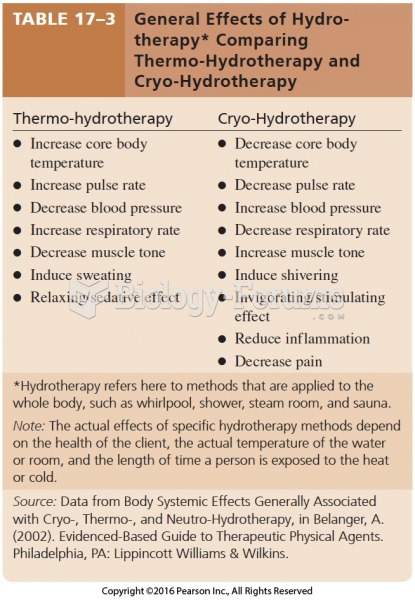 General Effects of Hydrotherapy* Comparing Thermo-Hydrotherapy and Cryo-Hydrotherapy
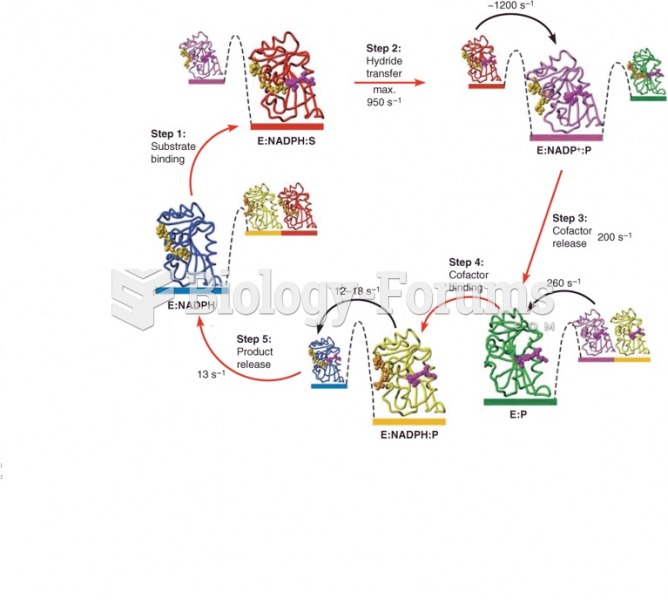 Dynamic conformational changes in the catalytic cycle of dihydrofolate reductase