In a mixed design factorial ANOVA, the between subjects factor (A) has two levels and the repeated measures factor (B) has three levels. A significant F is found for the main effect of the repeated measures factor. We may conclude that _____.
a. The means of the levels of Factor B are all different from one another
b. There is a significant difference in the means for Factor B, but we don't know where
c. The mean of Factor A is significantly different from the mean of Factor B
d. The interaction between A and B is significant
Question 2
In a mixed design factorial ANOVA, the between subjects factor (A) has two levels and the repeated measures factor (B) has three levels. A significant F is found for the main effect of the between subjects factor. We may conclude that _____.
a. the mean of level 1 of factor A is significantly different from the mean of level 2 of Factor A
b. There is a significant difference, but we don't know where it is.
c. The mean of Factor A is significantly different from the mean of Factor B
d. The interaction between Factors A and B is significant.


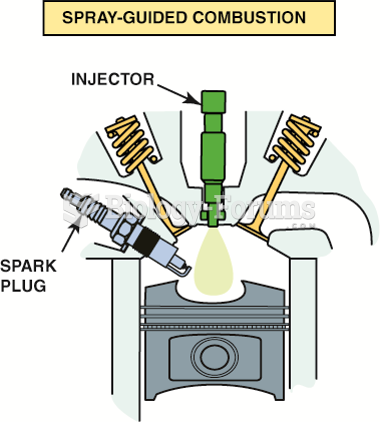 In this design, the fuel injector is at the top of the cylinder and sprays fuel into the cavity of ...
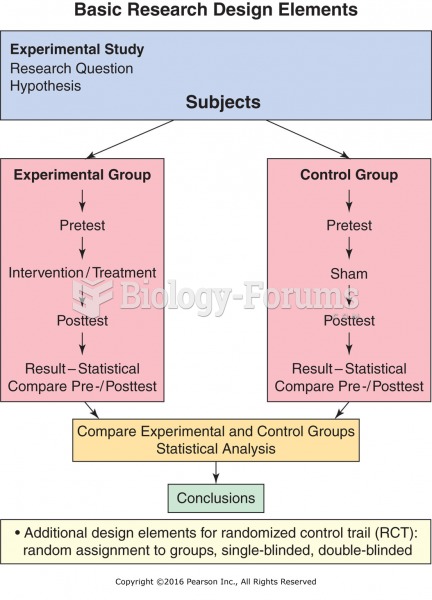 Elements of Experimental Design.
 Sample of a business card design.
 Modern house door design
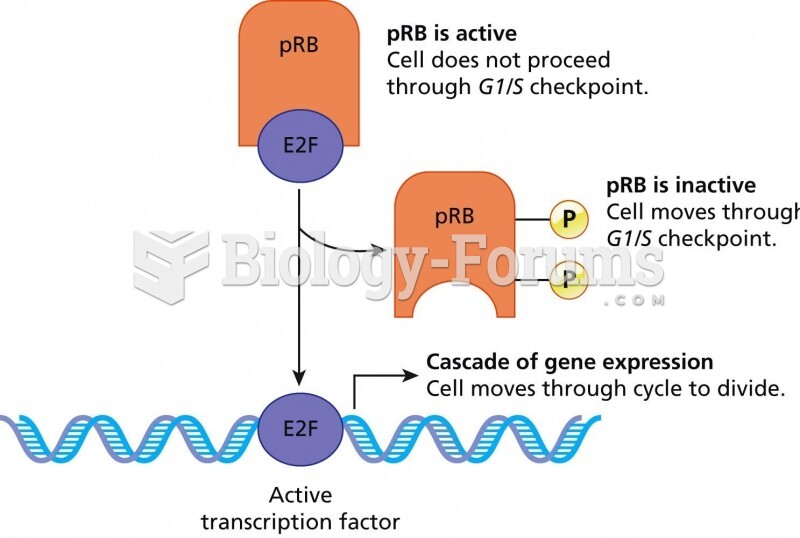 pRB Transcription Factor
 Tallgrass Prairie: Food Chain and Trophic Levels