
This topic contains a solution. Click here to go to the answer
|
|
|

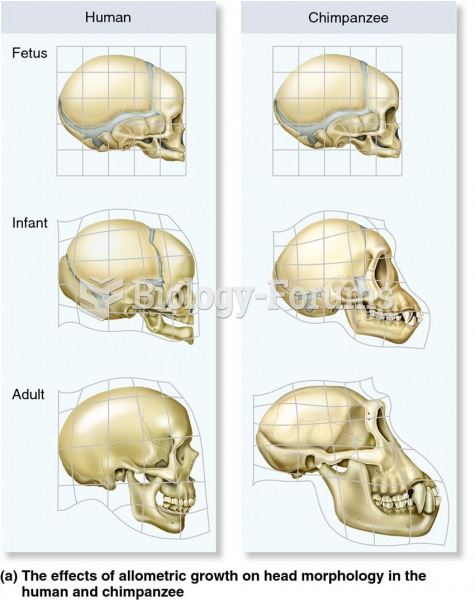 Effects of growth rate on development.
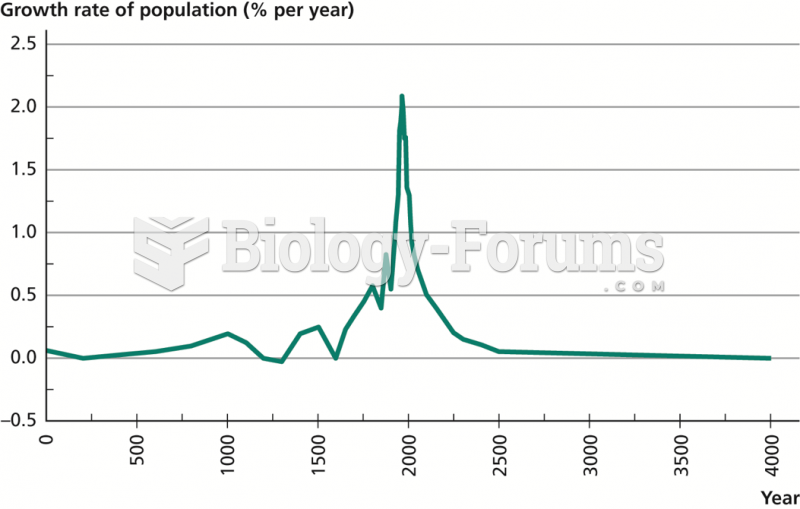 The Great Spike in World Population Growth
 The Economic Way of Thinking
 economic question
 economic question
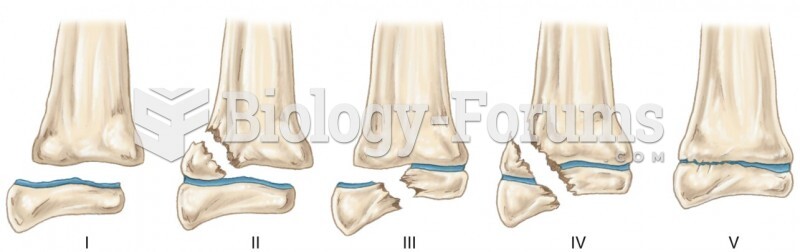 The Salter-Harris System of Classifying Growth-Plate Injuries. The Likelihood of a Permanent Growth-