A problem with the neoclassical growth theory is its
A) prediction that population growth lowers the real wage rate.
B) inability to explain persistent differences between countries' GDP growth rates.
C) prediction that population growth raises the real wage rate.
D) comparison of the economy to a perpetual motion machine.
Question 2
The above table shows production points on Sweet-Tooth Land's production possibilities frontier. Which of the following statements is TRUE?
A) Producing 0 chocolate bars and 100 cans of cola is both attainable and efficient.
B) Producing 20 chocolate bars and 80 cans of cola is attainable, but inefficient.
C) Producing 30 chocolate bars and 38 cans of cola is only attainable with an increase in technology.
D) Producing 40 chocolate bars and 0 cans of cola is unattainable and inefficient.


 Flipper tags have been extensively used in the study of penguin population dynamics.
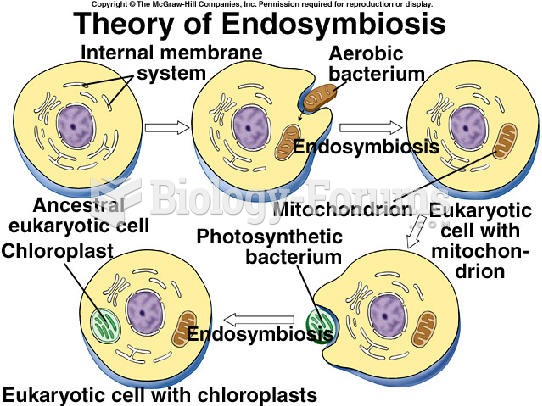 Theory of Endosymbiosis
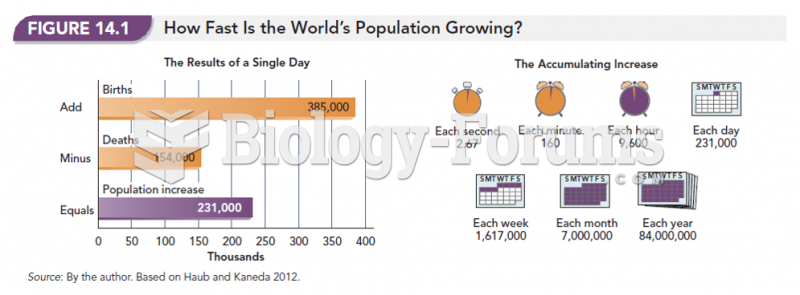 How Fast is the World's Population Growing?
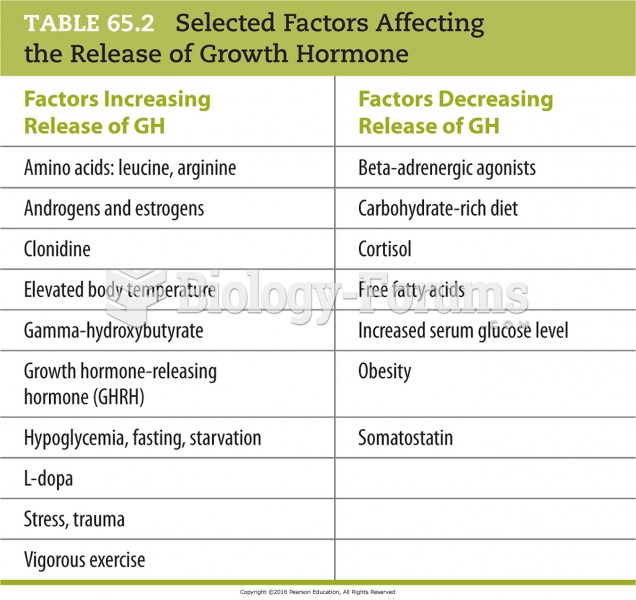 Selected Factors Affecting the Release of Growth Hormone
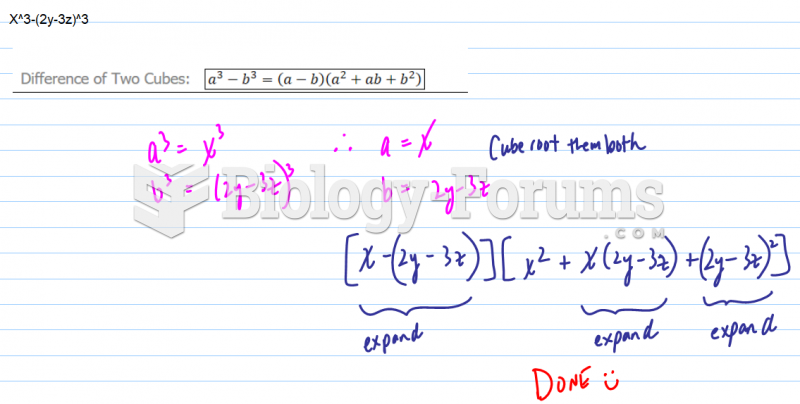 Modern Cell Theory
 Problem