A country reports that unplanned inventories increased during 2012. The increase in unplanned inventories leads to
A) firms decreasing production, which decreases GDP.
B) actual aggregate expenditure being different than real GDP.
C) consumers increasing their consumption expenditure, which increases GDP.
D) firms increasing production, which increases GDP.
E) the government decreasing production, which decreases GDP.
Question 2
In New State, the bottling law requires that people get a refund of five cents when they return an empty bottle or can. Why does the state pay people to return bottles? In your answer, be sure to mention the role played by rational choice.
What will be an ideal response?


 Creede, Colorado, circa 1890, a rough silver mining town that grew from 660 people in 1889 to over 1
 A rapidly vibrating needle at idle that becomes steady as engine speed is increased indicates worn ...
 A typical camshaft-driven high-pressure pump used to increase fuel pressure to 2,000 PSI or higher.
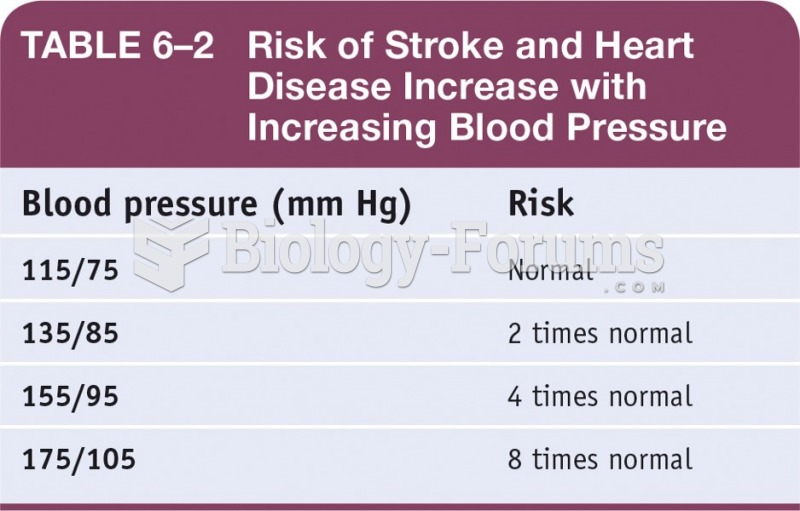 Risk of Stroke and Heart Disease Increase with Increasing Blood Pressure
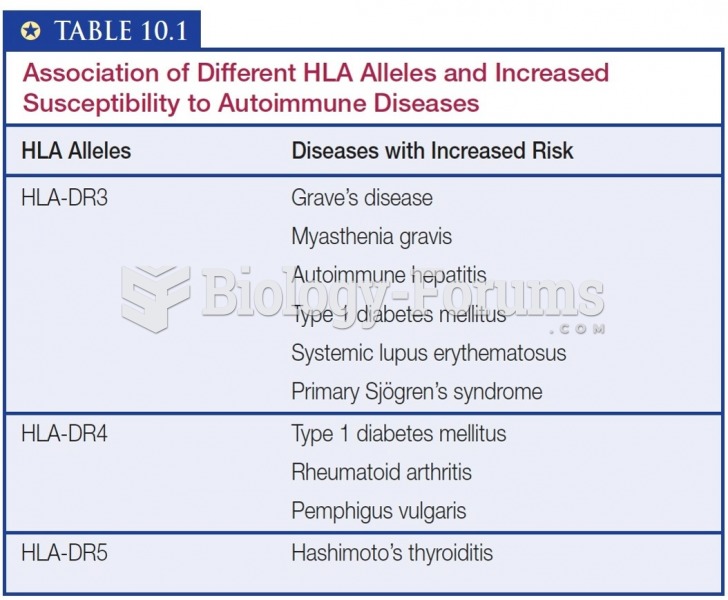 Association of Different HLA Alleles and Increased Susceptibility to Autoimmune Diseases
 How high a hill would a 75-kg hiker have to climb to increase her gravitational potential ...