Assume the exchange rate of the domestic currency is overvalued. What does the central bank need to do in order to keep the exchange rate fixed?
a. There is no need to intervene since the domestic currency is not undervalued.
b. It needs to increase the money supply by raising the discount rate.
c. It needs to sell the excess demand for foreign currency.
d. It needs to buy the excess supply of foreign currency.
e. It needs to decrease the money supply by lowering the discount rate.
Question 2
Cashing out capital gains in Virtual Currency System 3 (i.e., turning virtual capital gains into real world currencies) causes the nation's:
a. Monetary base to rise.
b. M2 money supply to fall.
c. M2 money multiplier to fall.
d. Monetary base to remain the same.


 Visualization of heat exchange in an ectotherm and an endotherm.
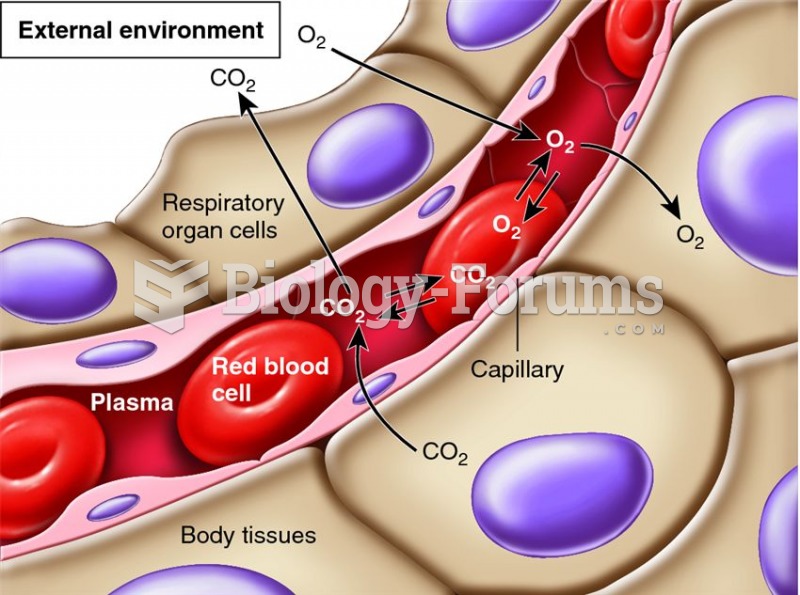 Overview of gas exchange between the environment, blood, and cells.
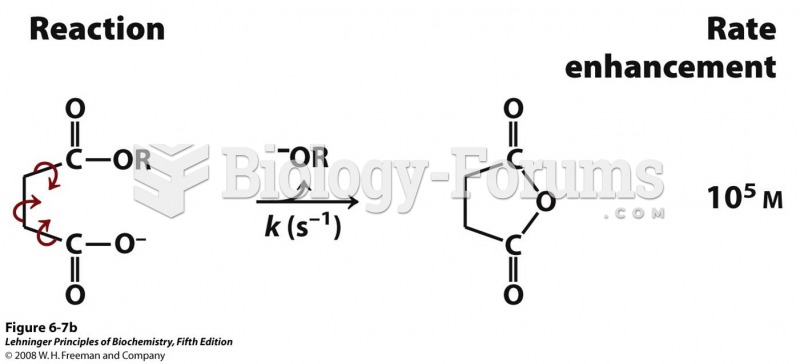 For this bimolecular reaction, the rate constant k is second order
 The central and peripheral nervous system
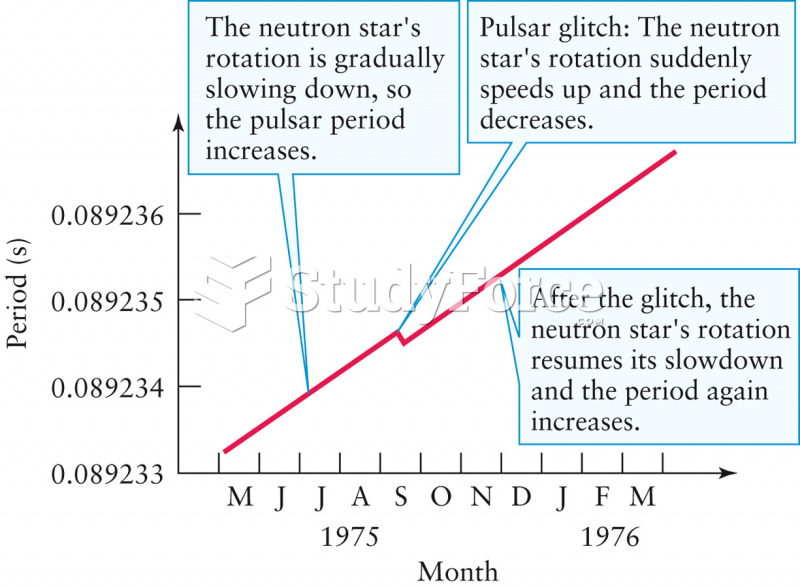 A Glitch Interrupts the Vela Pulsar’s Spindown Rate
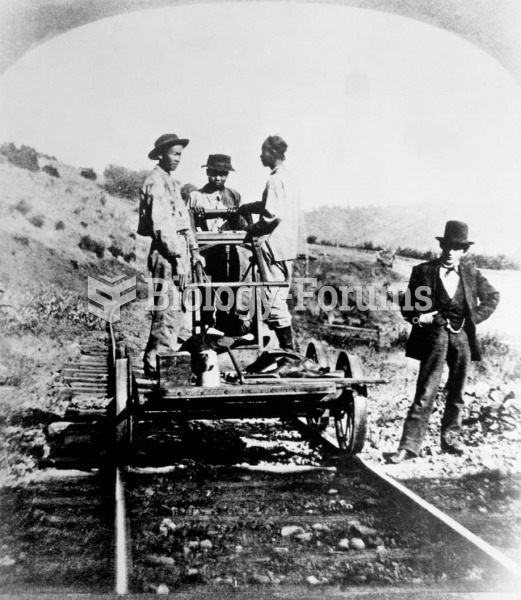 Chinese workers on a railway in the far West. “Without them,” Leland Stanford, president of the Cent