Which procedure seems to be most useful to structure a macroeconomic analysis?
a. (1) Describe the economic setting in the three key markets; (2) Analyze the chain reaction of economic causes and effects; (3) Identify the economic shock.
b. (1) Analyze the chain reaction of economic causes and effects; (2) Identify the economic shock; (3) Describe the economic setting in the three key markets.
c. (1) Identify the economic shock; (2) Analyze the chain reaction of economic causes and effects; (3) Describe the economic setting in the three key markets.
d. (1) Identify the economic shock; (2) Describe the economic setting in the three key markets; (3) Analyze the chain reaction of economic causes and effects.
e. (1) Describe the economic setting in the three key markets; (2) Identify the economic shock; (3) Analyze the chain reaction of economic causes and effects.
Question 2
Inflation:
a. Never hurts the economy.
b. Only hurts the economy as a whole when it is not expected.
c. Never redistributes income and wealth.
d. Hurts the economy when incentives are affected.


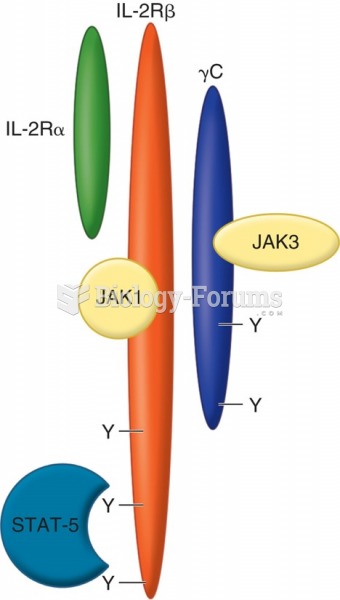 The basic structure of the IL-2 receptor.
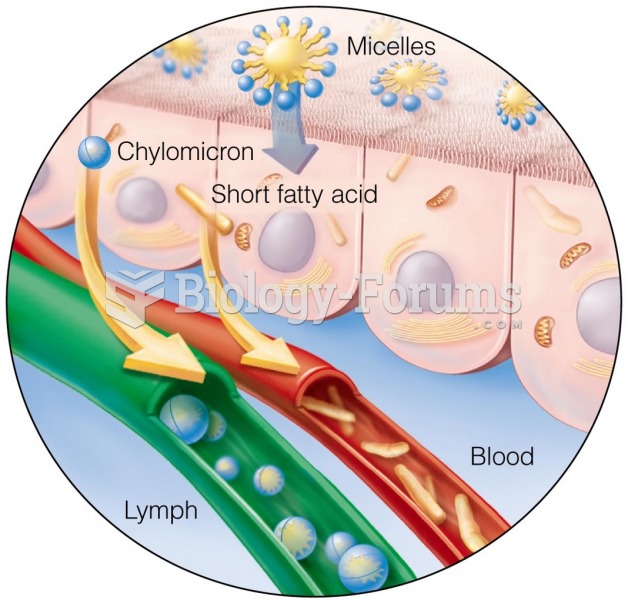 Describe how fat is digested, absorbed, and transported in the body
 Close analysis verbs
 Rosalind Franklin, shown here on holiday, used X-ray diffraction to investigate the structure of DNA
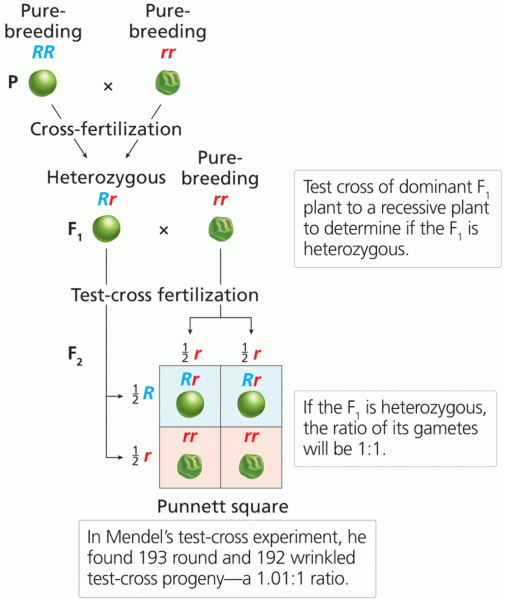 Test-cross analysis of F1 plants
 GENETIC ANALYSIS