Answer to Question 1
The high-income Asian economies emphasized land reform, free public education, free basic health care, and significant investments in rural infrastructure, such as clean water, transportation, and communication systems.
Answer to Question 2
Before the 1970s, IMF conditionality focused primarily on correcting the immediate source of the problem that led to a crisis, and it avoided involvement with underlying economic issues, such as trade policy and privatization. This approach was criticized as short-sighted, and it was agreed that the Fund should involve itself beyond short-run economic policy. New loan programs were developed to provide money and technical assistance to countries that needed help in restructuring their economies. This shift involved the IMF in far more than crisis resolution, as it took on an active role in assisting in privatization, the design of social policies, trade policy reform, agricultural policies, environmental policies, and a number of other areas. By the late 1990s, there was growing recognition that mission creep had become a problem and that the Fund had taken on responsibilities for which it is not suited, such as economic development in the long run. Several of the proposals for reforming the international financial architecture envision a reduced role for the IMF, particularly in the area of long term economic development.


 California high desert cottontail eating a carrot
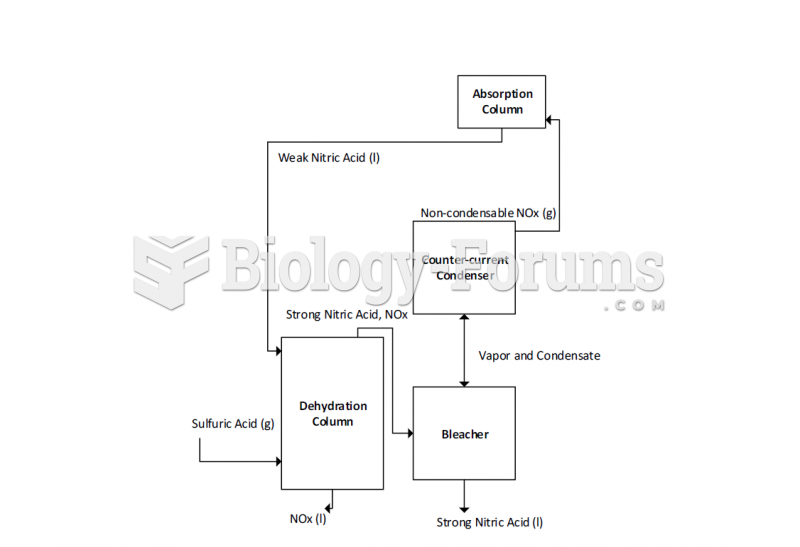 Block Diagram of a High Concentrate Nitric Acid System for Dual-Stage Pressure Production of Nitric
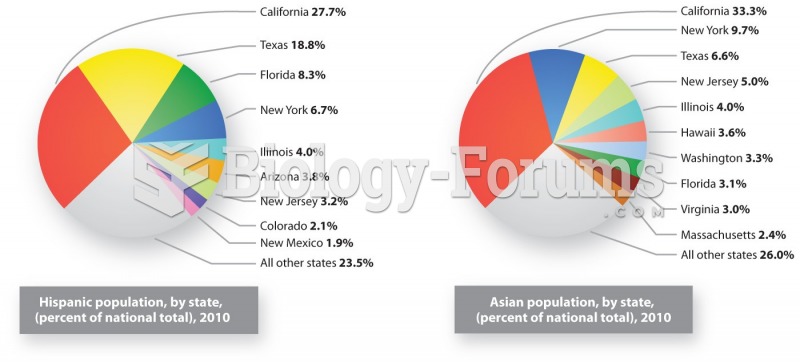 U.S. Hispanic and Asian Populations
 The four levels of protein structure
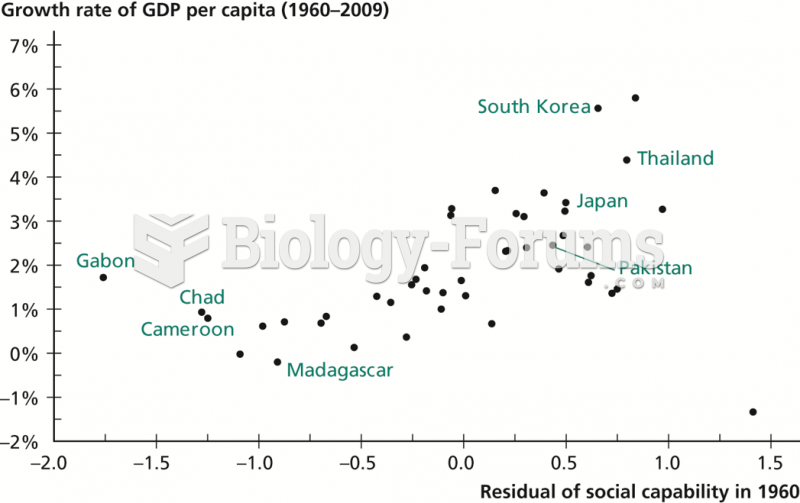 Social Capability and Economic Growth
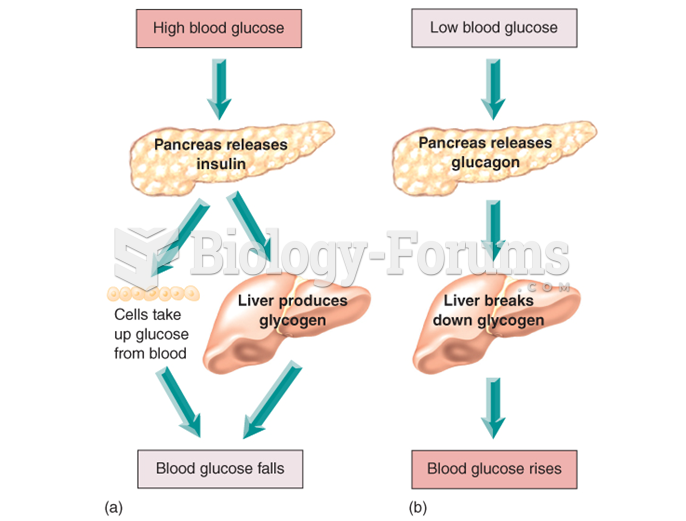 Insulin, glucagon and blood glucose levels