Developing countries have not benefited as much as expected from their higher education programs because of
(a) lack of program focus on the needs of the country.
(b) increasing returns to scale in each individual's education.
(c) graduates get jobs in the private sector.
(d) all of the above.
Question 2
Which of the following is not an argument in favor of export promotion over import substitution?
(a) international competition compels domestic producers to become more efficient.
(b) exposure to world markets provides greater opportunities to learn new technologies.
(c) producing for export permits greater specialization and economies of scale.
(d) outward-looking development promotes larger firms.


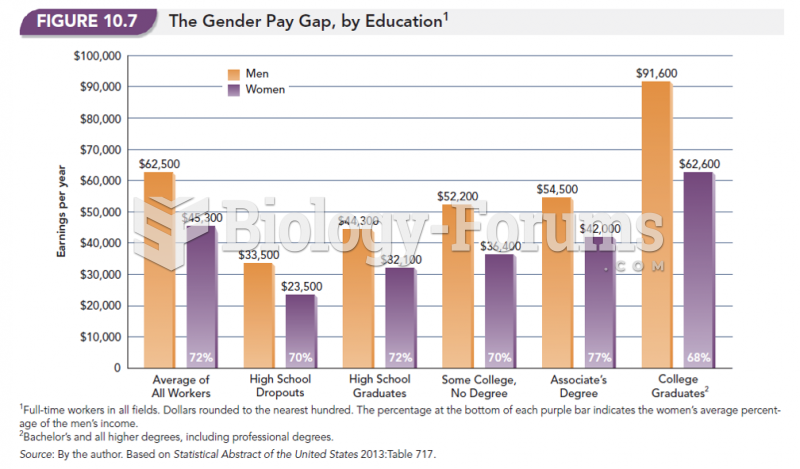 The Gender Pay Gap, by Education
 Two methods by which cells migrate in the developing neural tube: somal translocation and ...
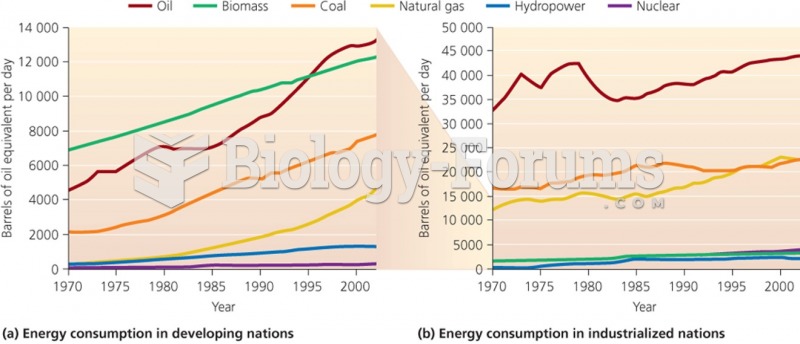 Comparison of energy consumption in developing and industrialized nations
 Principles and Foundations of Health Promotion and Education (6th Edition)
 Exceptional Children: An Introduction to Special Education
 Social Media Tools for Education