
This topic contains a solution. Click here to go to the answer
|
|
|

 The Green Pygmy Goose (Nettapus pulchellus) is a small perching duck which breeds in southern New Gu
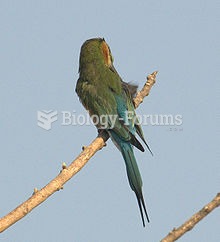 Blue-tailed Bee-eater from behind, showing the blue rump and tail
 Primary visual processing areas (blue) in (a) human (lateral and mesial views) and (b) chimpanzee.
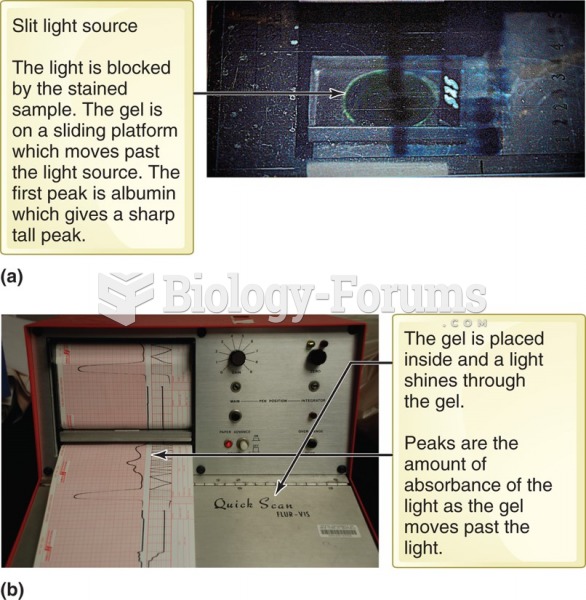 Electrophoresis gel in a densitometer. (a) The green light from the slit light source is visible ...
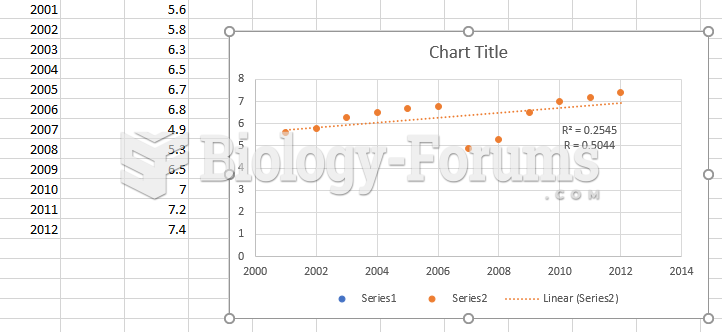 Statistics Question: A swim team
 A late stage in mitosis after the chromosomes (stained blue) have separated