Which characteristic is necessary for an extraneous variable to become a confounding variable?
a. It must change systematically from one participant to the next.
b. It must change systematically when the independent variable is changed.
c. It must have no systematic relationship with the dependent variable.
d. It must have no systematic relationship to the independent or dependent variables.
Question 2
The theoretical distribution of an infinite number of samples of the population of interest in a study is called a(n) ____ distribution.
a. probabilistic
b. sampling
c. likelihood
d. error


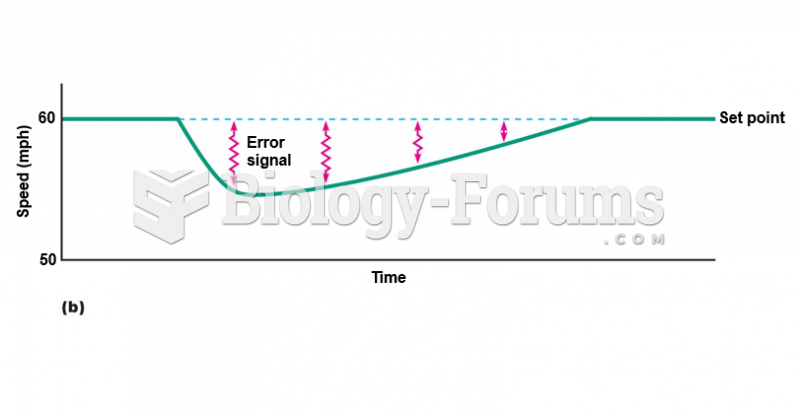 Negative feedback control of a regulated variable.
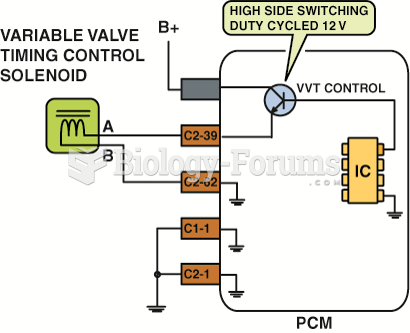 A variable valve timing solenoid being controlled by applying voltage from the PCM.
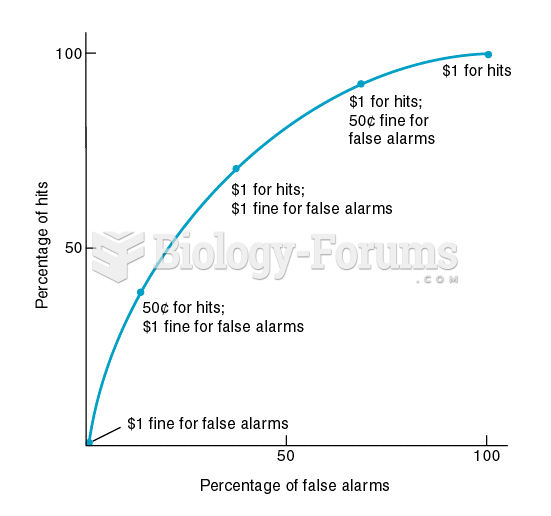 A Receiver-Operating-Characteristic (ROC) Curve
 How to find the derivative of a function when the base and exponent contain a variable x^x
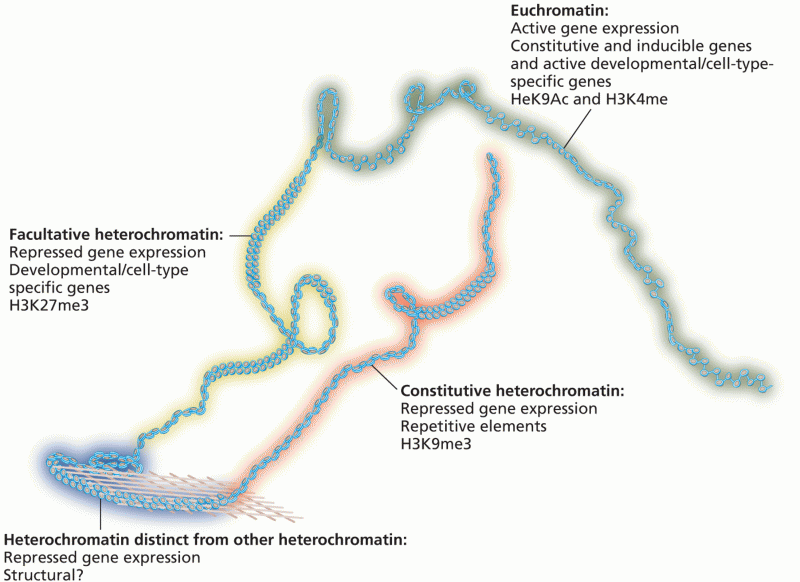 Chromatin states, gene content, and characteristic histone modifications
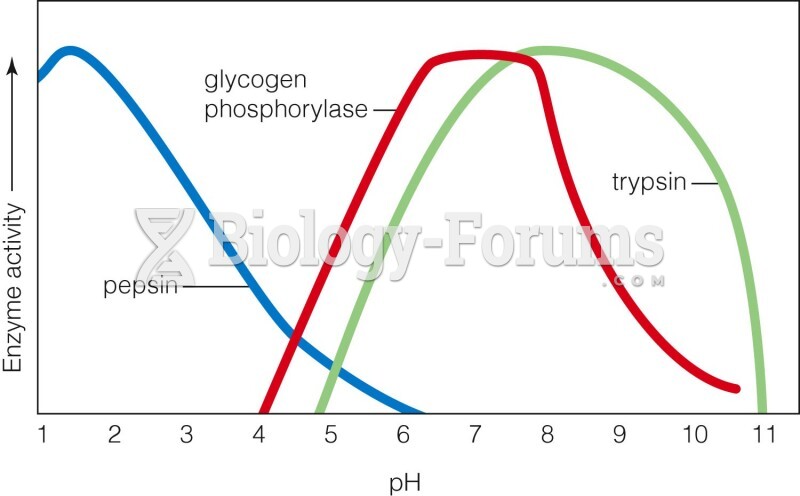 Each enzyme functions best within a characteristic range of pH