Answer to Question 1
An economic theory is a simplified version of reality. It is a general statement about the causal relationship between economic phenomena based on facts. A truly good theory will predict well, explain economic behavior, indicate to what extent the predicted outcome is expected to occur, and indicate how long it will take for the predicted outcome to be observed.
Answer to Question 2
Macroeconomics studies the entire national economy. Microeconomics focuses on a particular segment within the entire economic system.


 Model of spliceosome-mediated splicing of pre-mRNA
 A Spatial Model of Reasoning
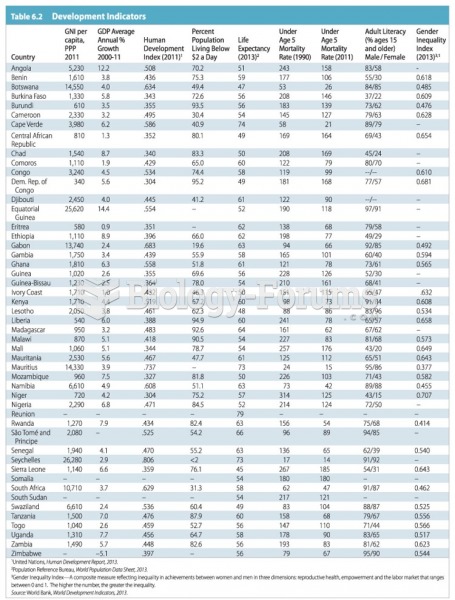 Economic and Social Development
 potatoes as a very good source of vitamin B6
 economic question
 Opener Bronze sculpture of the Watson–Crick model for double-helical DNA