If clerical workers in your state voted to have a union represent them in negotiations with employers, they would have monopoly power in wage determination.
Employers would be in no position to exert monopsony power in their employment of clerks in this market due to the large number of employers in the market. Labor supply is given by LS = 50W - 100 (or, equivalently W = LS/50 + 2 ) Labor demand is given by LD = 700 - 25W (or, equivalently W = -LD/25 + 28 ) a. What is the equation for marginal revenue? b. Using the supply and demand equations, compute the wage rate and number of workers that would be hired when there is no union representation. c. Using the supply and demand equations, compute the wage rate and number of workers hired when the union represents workers and acts to maximize aggregate wages to all workers hired. d. Explain the impact of (c) on the competitive market.
Question 2
Many governments around the world attempt to improve the incomes of commodity producers by taking steps to increase the commodity price in the domestic market.
Although this may reduce quantity demanded for the product, the action may be effective because: A) commodity supply tends to be inelastic, so quantity does not decline by much.
B) commodity supply tends to be elastic, so producer income increases as a result of the higher prices and quantities.
C) commodity demand tends to be inelastic, so higher prices generate higher sales revenue.
D) commodity supply tends to be elastic, so producer income increases as a result of the higher prices and quantities.


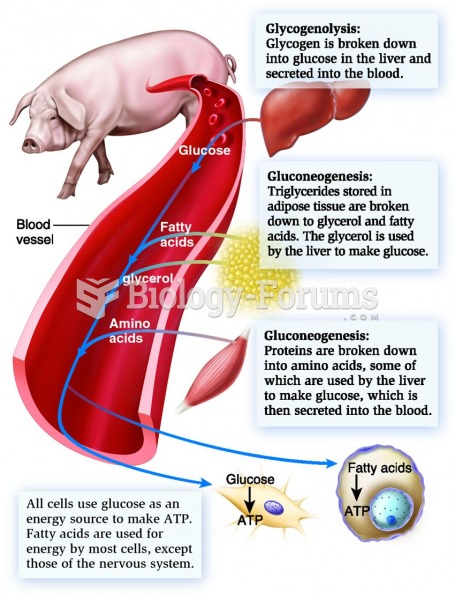 Events of the postabsorptive state.
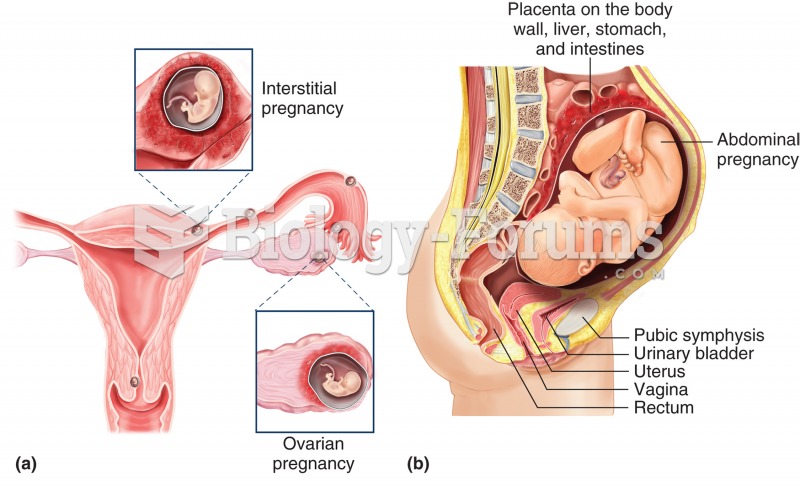 Ectopic pregnancies. (a) An ectopic pregnancy may occur in any of the locations shown. Interstitial
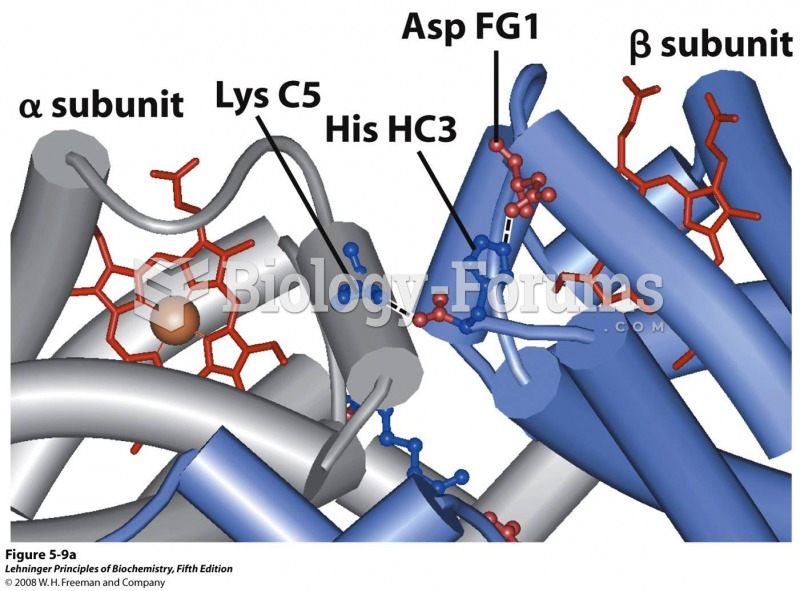 Some ion pairs that stabilize the T state of deoxyhemoglobin
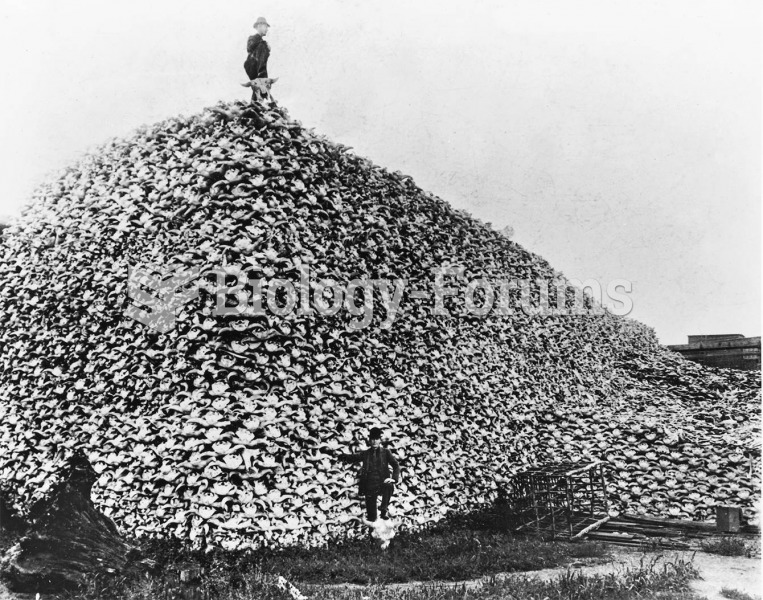 A mound of buffalo skulls. In 1870 an estimated 30 million buffalo roamed the plains; by 1900 there
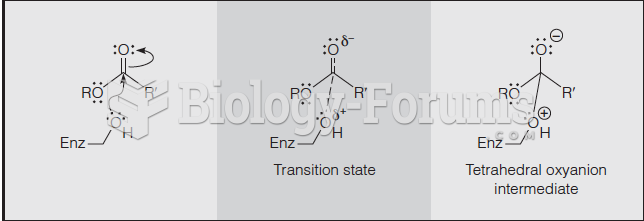 Enthalpic stabilization of the transition state in an enzyme-catalyzed reaction
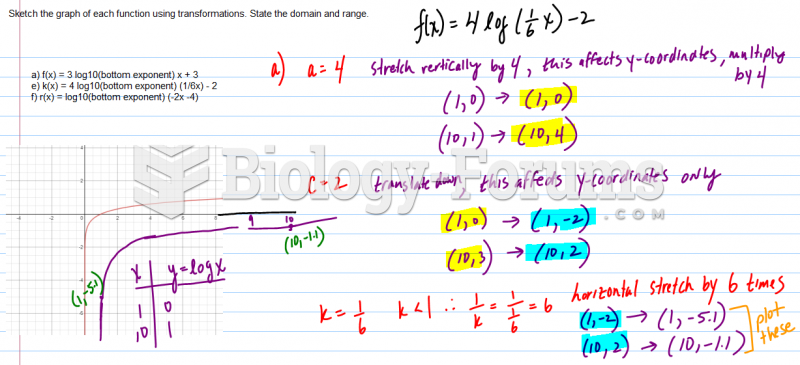 Sketch the graph of each function using transformations. State the domain and range.