The weighted average of all possible outcomes of a project, with the probabilities of the outcomes used as weights, is known as the
A) variance.
B) standard deviation.
C) expected value.
D) coefficient of variation.
Question 2
You view tea and scones as perfect complements, and you prefer to consumer one cup of tea with one scone. Also, your indifference curves are plotted with tea on the vertical axis.
If you presently have two cups of tea and one scone, what this the marginal rate of substitution (MRS) at this point? A) +1
B) -1
C) Zero
D) Infinity


 Killer Whale - Size comparison to an average human.
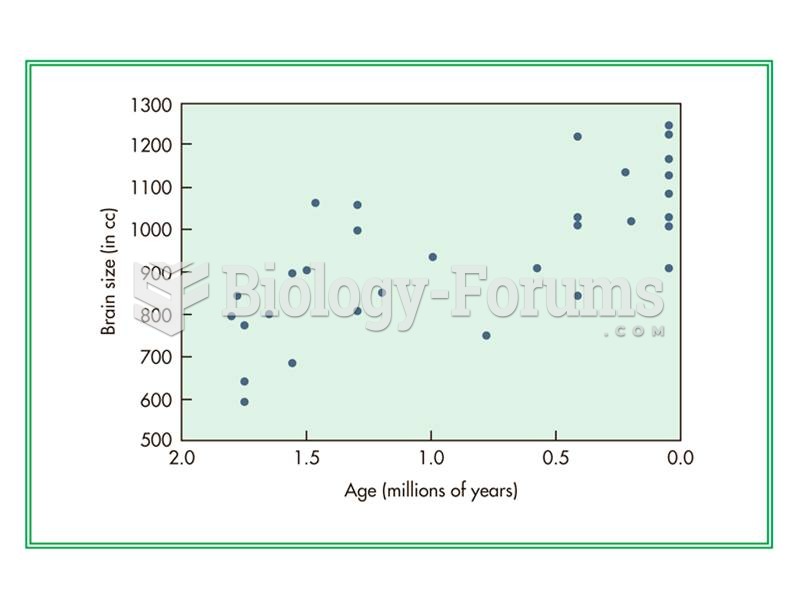 Although average brain size increases gradually though time in H. erectus, individuals with small br
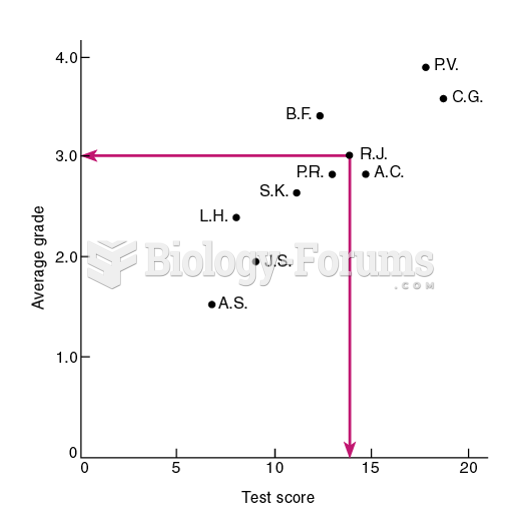 A Scatterplot of the Test Scores and Average Grades of 10 Students
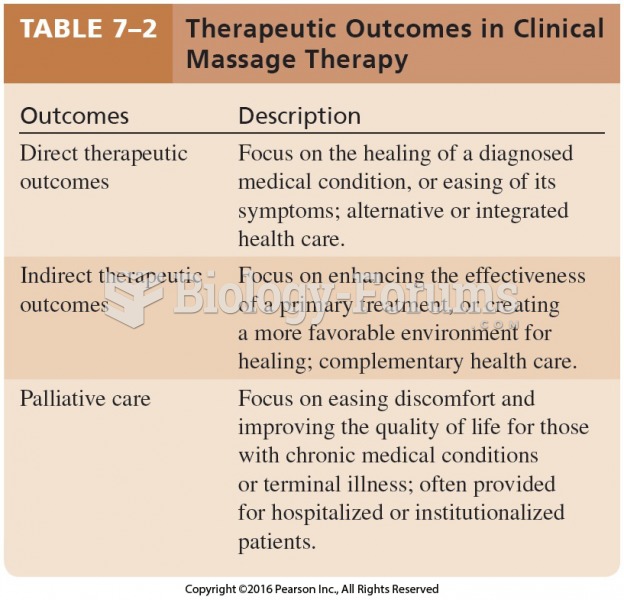 Therapeutic Outcomes in Clinical Massage Therapy
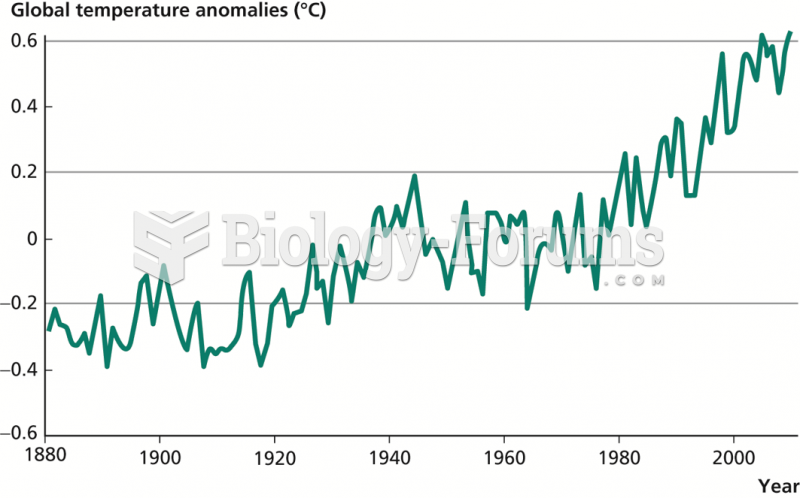 Average Global Temperatures
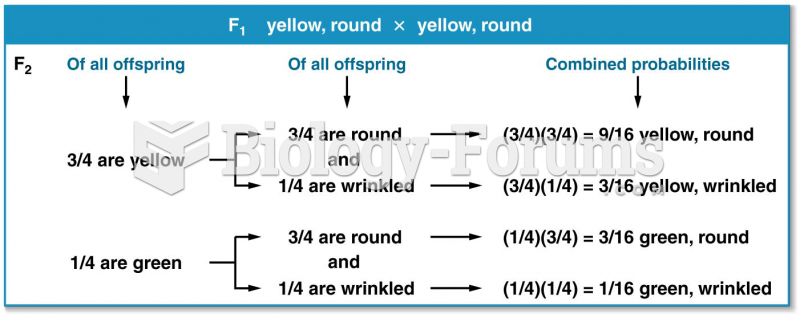 Computation of the combined probabilities of each F2 phenotype