Answer to Question 1
Education is also one of the primary vehicles by which society reinforces social inequalities based on race, ethnicity, class, and gender. Education is related to inequality in that whites and those in wealthier school districts tend to receive a better education and achieve more education. Education reproduces inequality because those with higher income levels receive more education, and those with a higher level of education receive higher income levels. In addition, though the hidden curriculum, education not only creates social inequalities but makes them seem natural, normal, and inevitable. Because education is funded largely by local property taxes, wealthier neighborhoods and communities have more money to spend on schools than poorer ones. Inequality is present in the educational materials, the ways teachers interact with students, how resources differ from district to district, and who has access to these resources. Public schools in wealthy neighborhoods can afford state-of-the-art labs and libraries, small classes, and highly paid teachers, while poor neighborhoods have the crumbling buildings, overcrowded classrooms, and over-worked, underpaid teachers.
Answer to Question 2
T


 A pharmacist can explain to a patient why medication may look different and ensure the correct ...
 Draw and label a diagram and explain how a factor-dependent transcription (rho-dependent) terminator
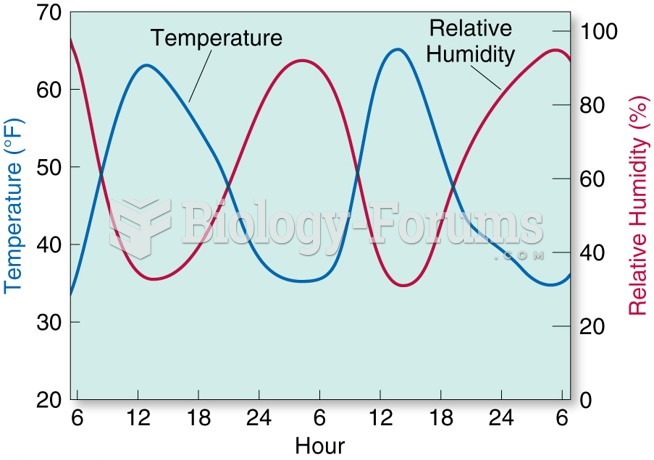 The relationship between RH and temperature.
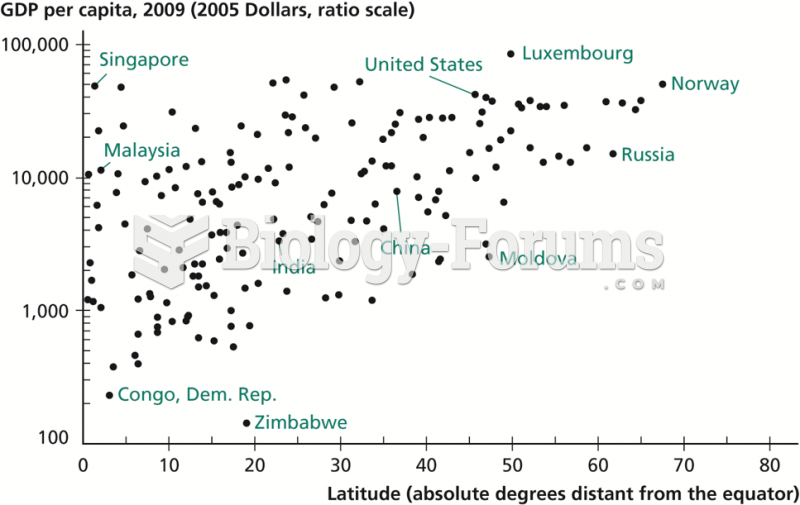 Relationship between Latitude and Income per Capita
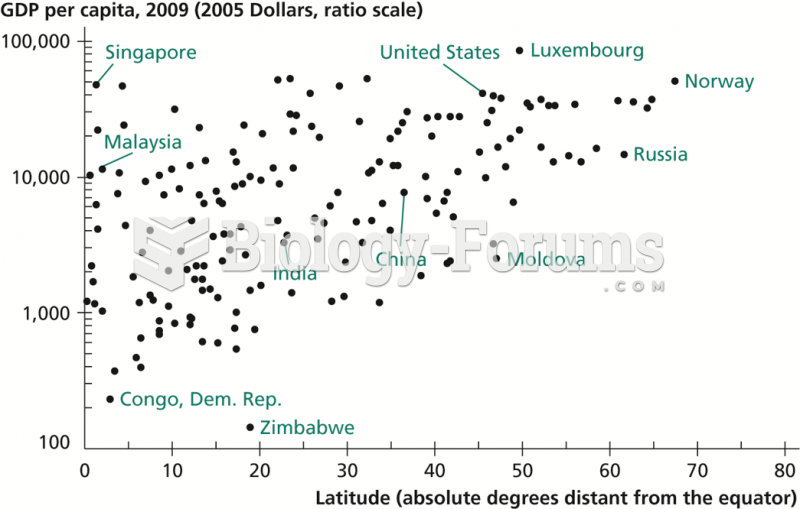 Relationship between Latitude and Income per Capita
 The relationship between acid–base imbalances and potassium imbalances