This topic contains a solution. Click here to go to the answer

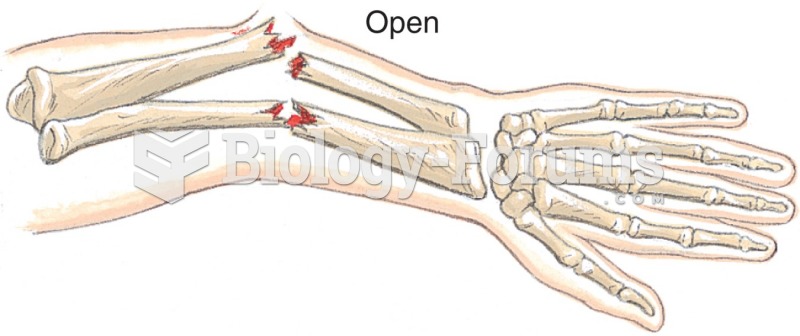
Author Question: An open injury is best defined as a(n): A) soft-tissue injury beneath the skin. B) injury where ... (Read 232 times)

meagbuch

  • Hero Member
  • *****
  • Posts: 568
An open injury is best defined as a(n):
 
  A) soft-tissue injury beneath the skin.
  B) injury where a bone tears through the skin.
  C) soft-tissue injury categorized by pain, swelling, and deformity.
  D) injury where the bone is broken beneath the skin.

Question 2

An area near a hazardous materials incident that is upwind from the incident and on higher ground is a good location for a:
 
  A) safe zone. B) danger zone. C) treatment zone. D) hot zone.


Related Topics

Need homework help now?

Ask unlimited questions for free

Ask a Question
Marked as best answer by a Subject Expert

dajones82

  • Sr. Member
  • ****
  • Posts: 359
Answer to Question 1

B

Answer to Question 2

A


meagbuch

  • Member
  • Posts: 568
Reply 2 on: Jul 2, 2018
Thanks for the timely response, appreciate it


T4T

  • Member
  • Posts: 348
Reply 3 on: Yesterday
Wow, this really help


Did you know?

The modern decimal position system was the invention of the Hindus (around 800 AD), involving the placing of numerals to indicate their value (units, tens, hundreds, and so on).

Did you know?

There are more bacteria in your mouth than there are people in the world.

Did you know?

Your chance of developing a kidney stone is 1 in 10. In recent years, approximately 3.7 million people in the United States were diagnosed with a kidney disease.

Did you know?

To combat osteoporosis, changes in lifestyle and diet are recommended. At-risk patients should include 1,200 to 1,500 mg of calcium daily either via dietary means or with supplements.

Did you know?

Over time, chronic hepatitis B virus and hepatitis C virus infections can progress to advanced liver disease, liver failure, and hepatocellular carcinoma. Unlike other forms, more than 80% of hepatitis C infections become chronic and lead to liver disease. When combined with hepatitis B, hepatitis C now accounts for 75% percent of all cases of liver disease around the world. Liver failure caused by hepatitis C is now leading cause of liver transplants in the United States.

For a complete list of videos, visit our video library