You have just placed an Esophageal Tracheal Combitube (ETC) in a patient and inflated the cuffs as appropriate. The bag-valve mask is attached and ventilation is being delivered through tube 1. Auscultation reveals that breath sounds are present in the epigastrium and not in the lungs. You should:
A) provide ventilation through tube 2.
B) continue to ventilate.
C) slightly pull back on the ETC and listen again.
D) remove the ETC and reinsert it.
Question 2
The epinephrine auto-injector is given via the ________ route.
A) oral B) parenteral C) enteral D) digestive


 Measuring Patient Height
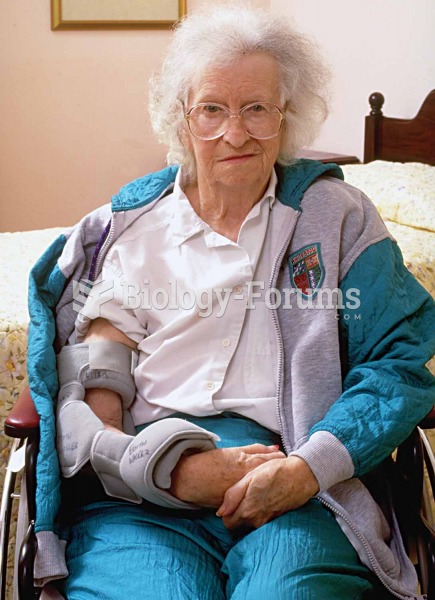 Patient with a cerebrovascular accident.
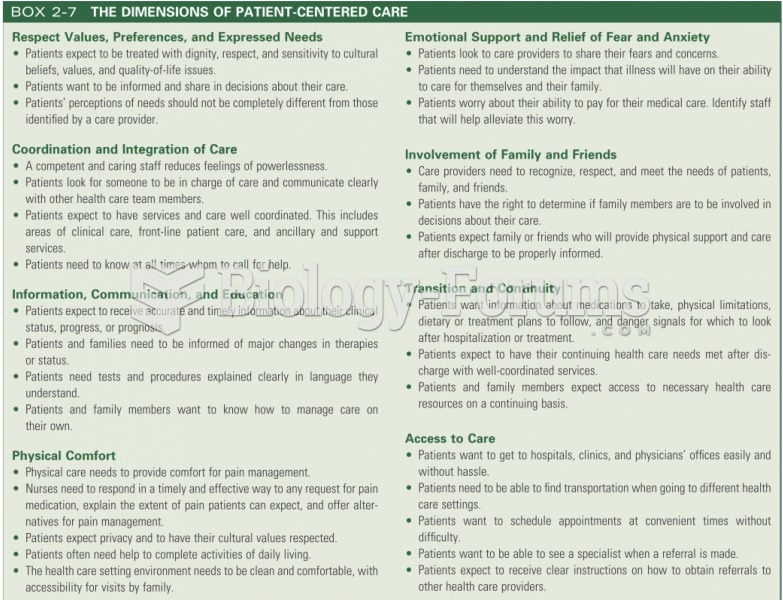 THE DIMENSIONS OF PATIENT-CENTERED CARE
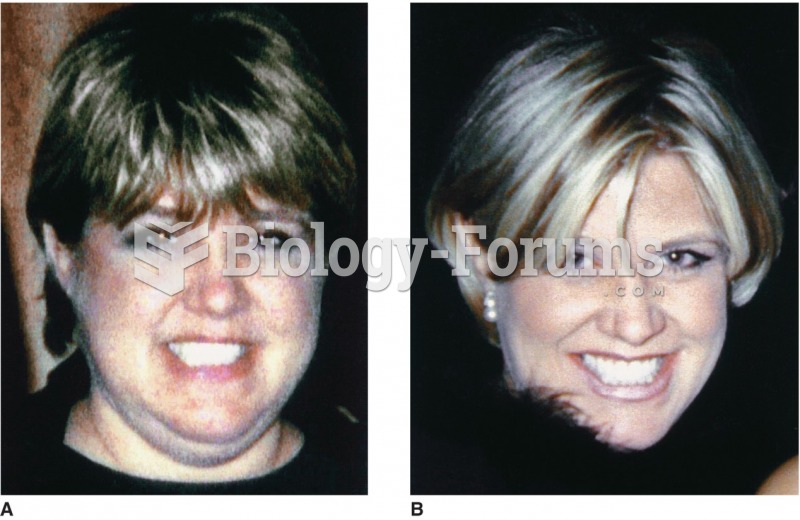 A patient with Cushing’s syndrome (A) before and (B) after receiving treatment. Sharmyn McGraw
 Oral pseudo membraneous candidiasis in a patient with AIDS.
 Hepatitis B antigens and antibody in an acutely infected patient with recovery. Note the indicators ...