How is the cash conversion cycle calculated?
a. Average collection period + days inventory held + Days payable outstanding.
b. Average collection period - days inventory held + Days payable outstanding.
c.Average collection period - days inventory held - Days payable outstanding.
d.Average collection period + days inventory held - Days payable outstanding.
Question 2
Sharon Wilson has cumulative earnings of 106,900 and earns 5,500 during the current pay period. If the FICA rate is 6.2 for Social Security, with a limit of 113,700, and 1.45 for Medicare, applied to all earnings, the total FICA tax to be withheld for this pay period is:
a. 341.00
b. 79.75
c. 420.75
d. 520.20


 Life-cycle of the Sun; sizes are not drawn to scale
 Amazing NASA Pictures Collection
 Amazing NASA Pictures Collection
 The recent mass upheavals in Tunisia, Egypt, Libya, Yemen, and Syria gave political scientists a cha
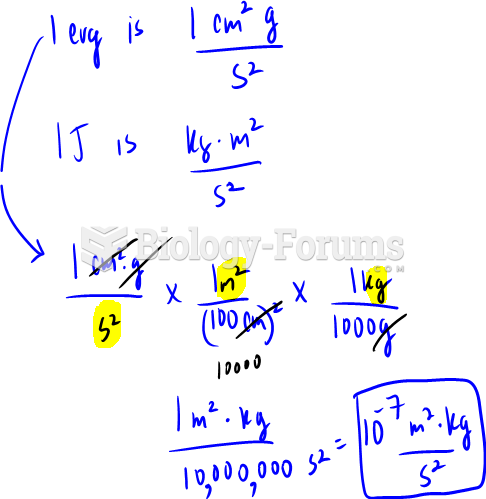 Conversion factors derivation.
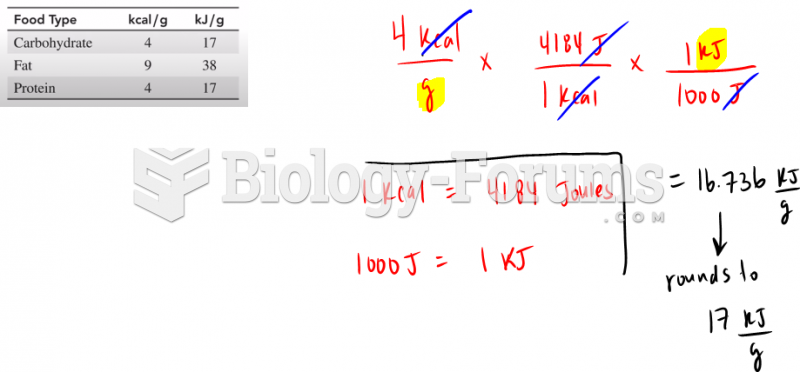 kcal/g to KJ/g conversion