Answer to Question 1
The six primary components of the communication process include:
Communicators - Communication is a coinciding, dynamic, and fluid process in which both the sender and receiver are communicators.
Message - The message is the information (or understanding) to be shared.
Channel - The channel is the means of communicating (for example, face-to-face, telephone, or email).
Decoding - The ability to decode the message is necessary for understanding to occur. Thus, communication requires that the codes (or languages) of the communicators have some commonality.
Noise - Noise is comprised of secondary signals that obscure or confuse the message. Noise, which might appear at any point in the communication process, can be either internal or external. Internal noise is attributable to the communicators themselves, while external noise is attributable to the physical setting.
Environment - Aspects of the communication environment include both physical factors, such as the location, and personal factors, such as the individual experiences and cultural backgrounds of the communicators.
Answer to Question 2
As outlined in SAS No. 99, fraudulent journal entries have several common characteristics:
JEs made to unrelated, unusual, or seldom-used accounts
JEs recorded at the end of the period or as post-closing entries with little or no explanation
JEs containing round numbers or a consistent ending number
JEs applied to intercompany or related parties


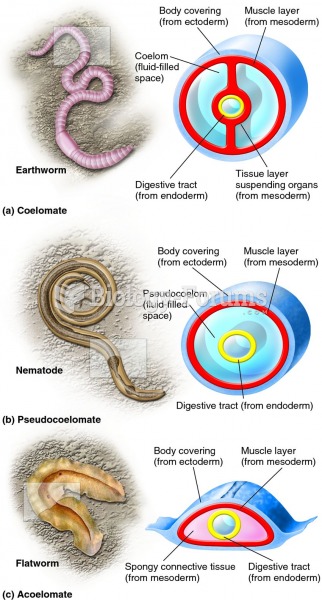 The three basic body plans of bilaterally symmetrical animals.
 Abnormalities of the Spine, Scoliosis, Kyphosis, Lordosis, List
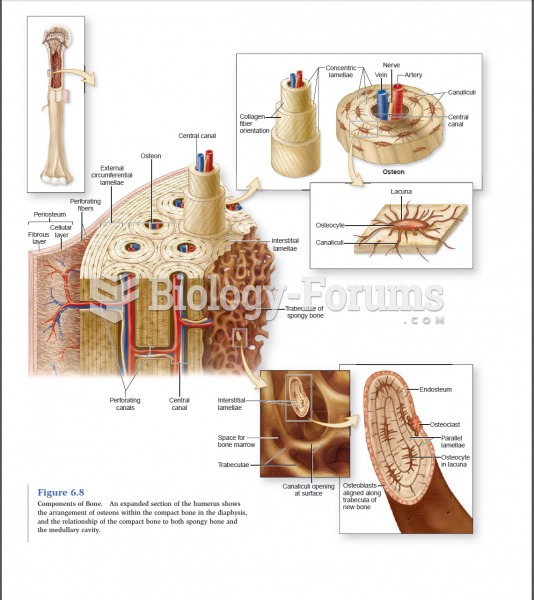 Components of Bone
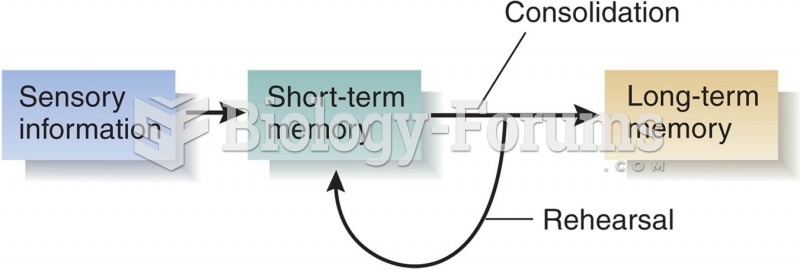 A Simple Model of the Learning Process
 After all valves have been properly measured and adjusted as necessary, start the reassembly process ...
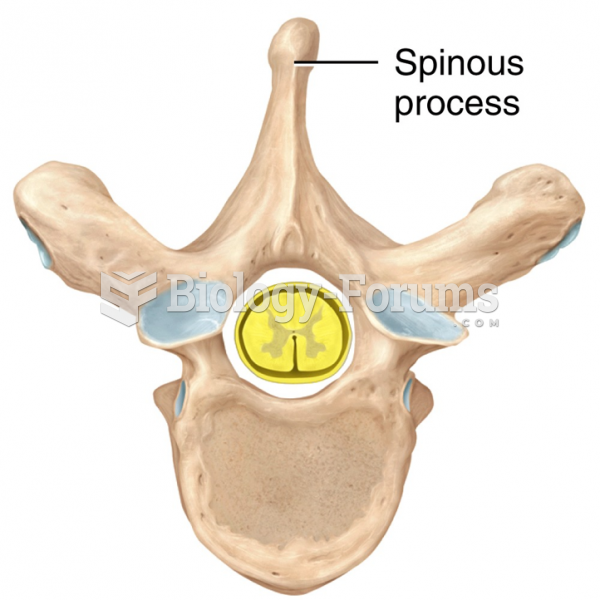 Spinous process