In regard to post-merger behavior, people who belong to high-status premerger groups are __________ to identify with the new group, and __________ to show bias against their post-merger group.
a. less likely; more likely
b. more likely; less likely
c. less likely; less likely
d. more likely; more likely
Question 2
__________ occurs when people who are not directly harmed by a rival group seek retribution against members of that out-group, who were not the original perpetrators of the initial attack on the in-group.
a. Vicarious retribution
b. Team discontinuity effect
c. Extremism
d. Collective narcissism


 These adolescents have just graduated and look forward to moving on from high school and adolesence
 Gorillas live in one-male or multimale groups, from which females emigrate at sexual materity.
 Primary Groups: Families
 People whose behaviors violate norms are often called mentally ill. “Why else would they do such ...
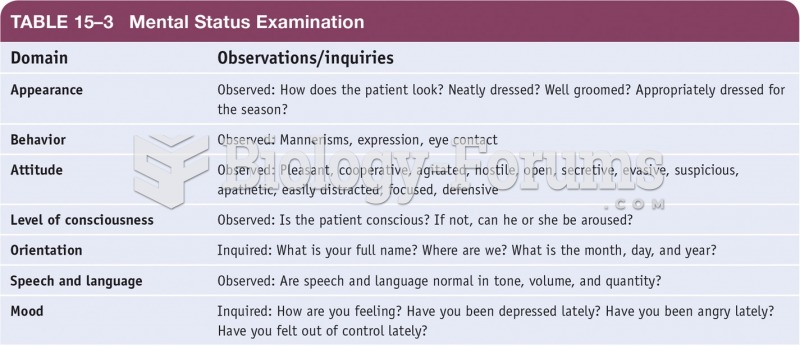 Mental Status Examination
 People in poor, urban areas often find themselves in “food deserts"