Transformational leadership is based on a leader's__________; transactional leadership is based on a leader's __________.
a. power to reinforce team members for their successful completion of a task; ability to motivate their teams to work toward goals that go beyond immediate self-interest
b. ability to motivate their teams to work toward goals that go beyond immediate self-interest; power to reinforce team members for their successful completion of a task
c. active engagement with a team through highly visible behaviors; passive engagement with a team via laissez-faire behaviors
d. passive engagement with a team via laissez-faire behaviors; active engagement with a team through highly visible behaviors
Question 2
Transformational leaders rely on three behaviors to produce change: intellectual stimulation, charisma, and:
a. a commanding presence.
b. individualized consideration.
c. discipline.
d. pragmatism.


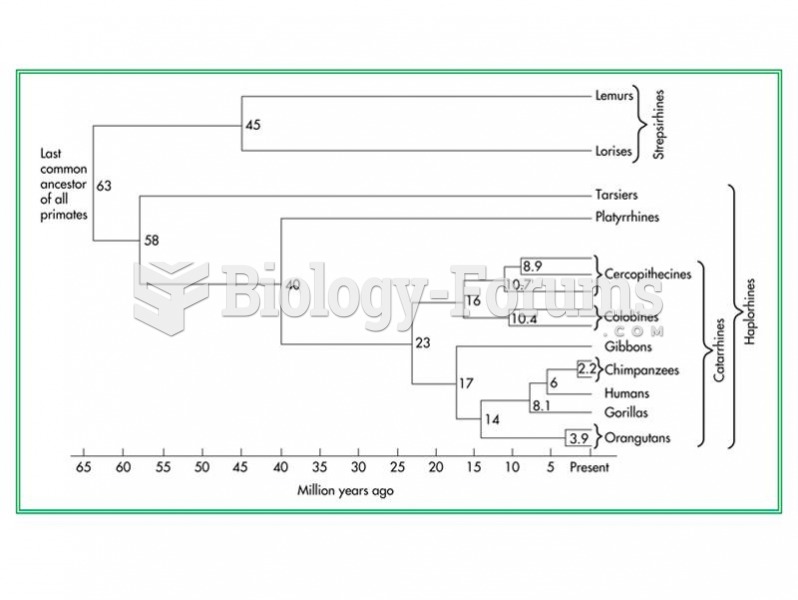 Relationships and dates divergence of living primate group based on molecular and DNA comparisons.
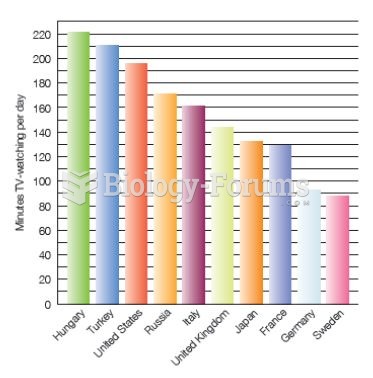 International Television Viewing Rates in Childhood In most developed countries, children watch TV
 Performing Transmission-Based Precaution: Isolation Techniques
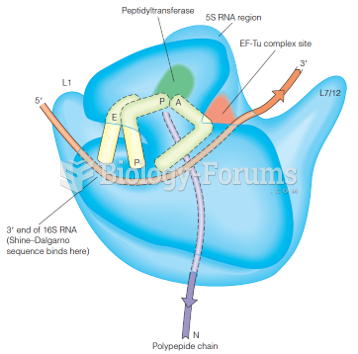 A model of the 70S ribosome based upon early structural data
 Infant and Toddler Development and Responsive Program Planning: A Relationship-Based Approach
 Vision-based Magnetic Compass in European Robins