According to the framework for arriving at ethical decisions, a course of action must be identified as soon as the ethical problem is detected.
Indicate whether the statement is true or false
Question 2
Which of the following, if true, demonstrates that Kirawi has an unstable business environment?
A) Its business laws are inflexible and cannot be intrepreted according to the comfort of government officials.
B) Its government does not enforce product liability laws or protect individual property rights.
C) Its activities are bound by several multilateral agreements conducted with neighboring countries.
D) Its private sector comprises independently owned firms that exist to make profits.


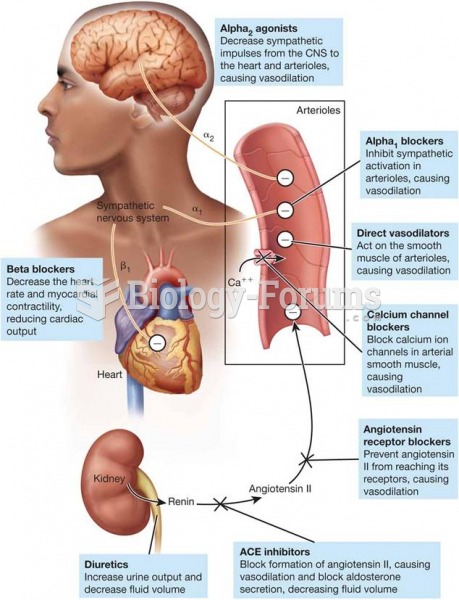 Mechanism of Action of Antihypertensive Drugs
 Sites of Action of the Diuretics
 Structure and action of the T7 phage gene 4 helicase
 Mechanisms of action of antimicrobial drugs
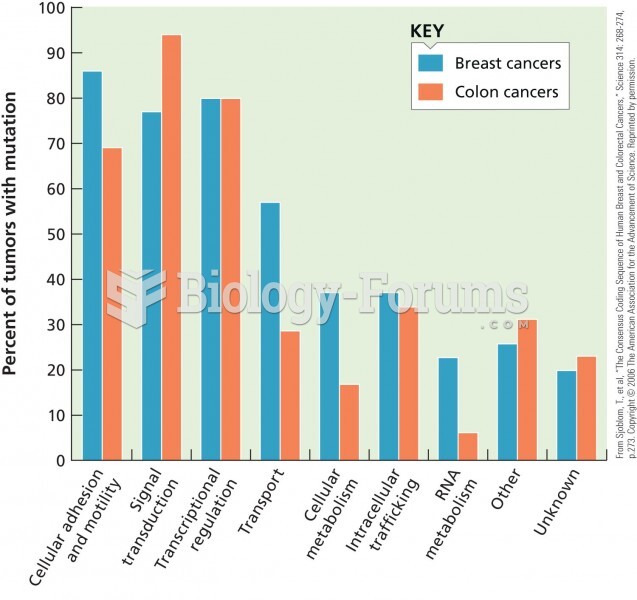 Genomic sequencing has identified hundreds of mutations in many classes of genes in both breast canc
 Example of cnidocyte action