Sweet Leaf Tea, a Texas-based maker of bottled iced tea, is a small but fast-growing firm that has gained a loyal following for its use of fresh, organic ingredients in its beverages.
Although beverage industry experts recommended that Sweet Leaf replace the organic cane sugar and honey it uses with less costly high-fructose corn syrup, Sweet Leaf refused because of the company's mission to provide a high-quality, organic beverage to consumers. The 11-year old company has 50 employees, and its products are available in 30 of the U.S. market. Sweet Leaf Tea recently received multi-million dollar investments which will enable the business to expand its national presence.
Which of the following, if true, would best support the argument that Sweet Leaf Tea should implement a corporate-level strategy of concentration?
A) Sweet Leaf Tea can develop a national name by adding new product lines, such as organic snack foods and organic coffee.
B) Sweet Leaf Tea's marketing research indicates that customers would purchase the organic beverages more frequently if the prices were lower.
C) Market data suggests that customers really only want the tea itself, not related products.
D) Sweet Leaf Tea's competitors primarily focus their marketing and distribution efforts on regional grocery-store chains rather than big box national retailers.
Question 2
The 2008 announcement by Starbucks that it would be closing approximately 600 of its stores suggests the firm was using a ________ strategy.
A) consolidation
B) diversification
C) geographic expansion
D) vertical integration


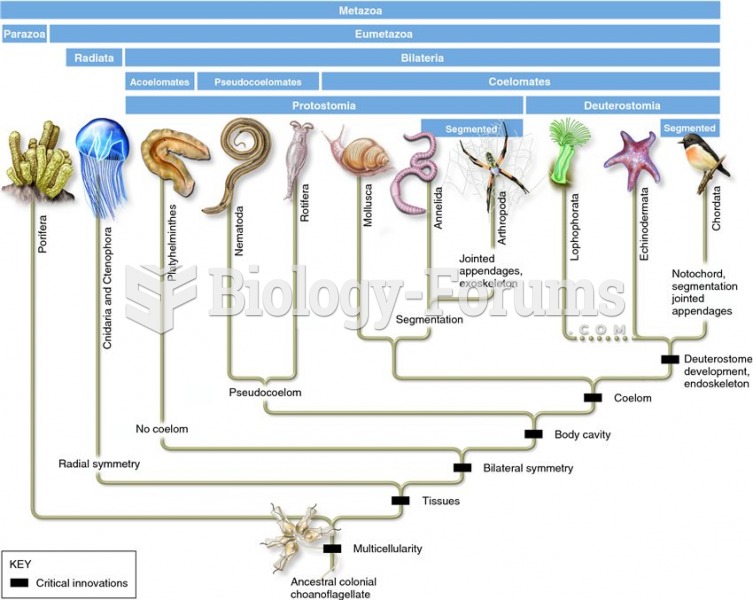 Traditional animal phylogeny based on body plans.
 Female choice based on male appearance.
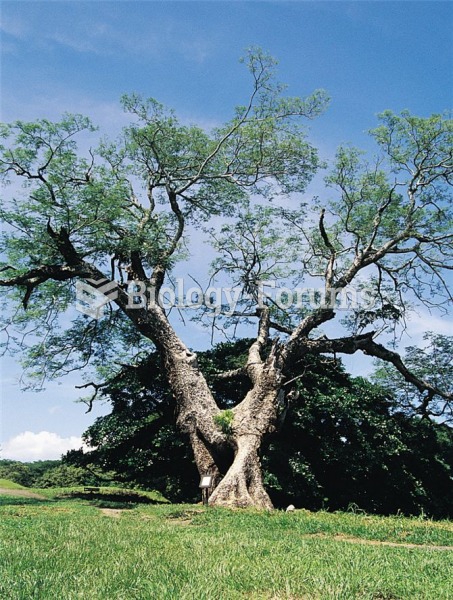 A guanacaste tree, Enterolobium cyclocarpum, growing in Costa Rica. Guanacaste trees, which produce
 Three of the color variants found at Fossil Rim Wildlife Center in Texas
 Tracy Chapman - Fast Car
 Basic sliding effleurage using the thumb gets into the small spaces between the metatarsals of the ...