What do the indexes of living costs abroad enable expatriates to do?
A) The indexes are between-location cost comparisons at future times and currency exchange rates.
B) The indexes are place-to-place cost comparisons at future times and currency exchange rates.
C) The indexes are between-location cost comparisons at specific times and currency exchange rates.
D) The indexes are place-to-place cost comparisons at specific times and currency exchange rates.
Question 2
Josh works at a U.S. construction company as a civil engineer. He has been working overseas for the last three years. The hypothetical tax calculated by his company turned out to be less than his actual income tax. In this situation,
A) Josh pays the taxes.
B) the employer reimburses Josh.
C) under tax equalization, neither Josh nor his employer receives a reimbursement.
D) the foreign government reimburses Josh.


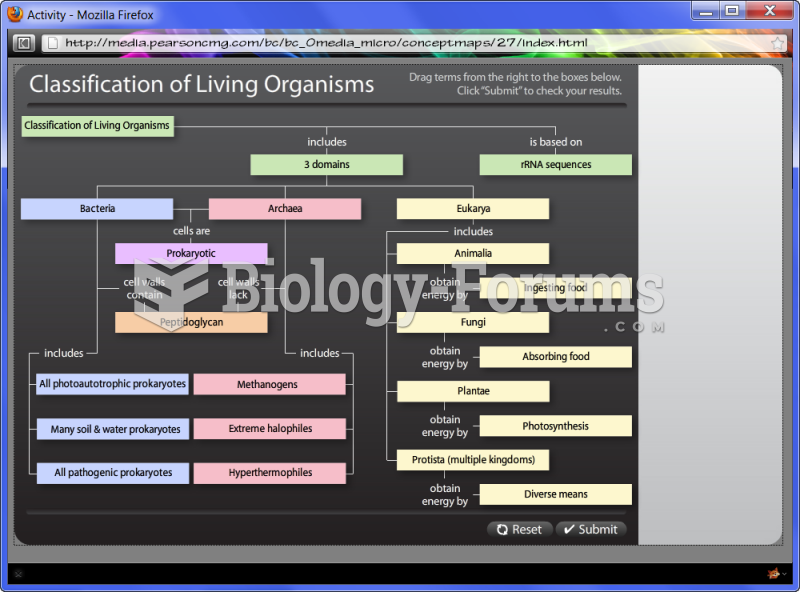 Classification of Living Organisms
 The skulls of living haplorhines differ from those of strepsirhines by having large brains, an enclo
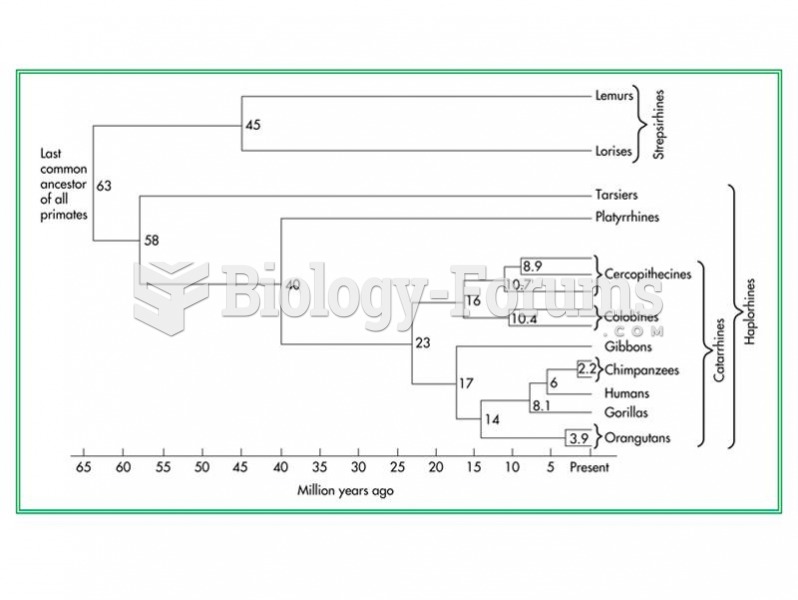 Relationships and dates divergence of living primate group based on molecular and DNA comparisons.
 Working and Living and Playing in the City Dump of Phnom Penh, Cambodia
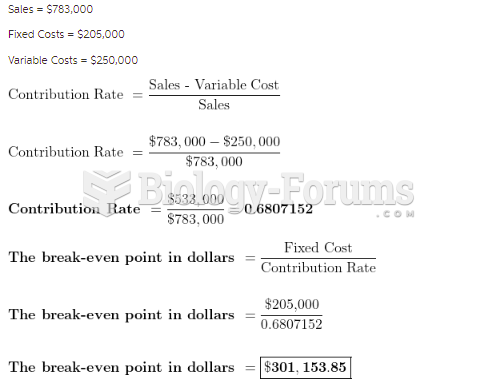 A company that makes environmental measuring devices has calculated their revenue and costs as ...
 Living things vs non living things