Answer to Question 1
Answer: The main difference between insurance plans offered by insurance companies and self-funded insurance plans centers on how benefits provided to policyholders are financed. When companies elect indemnity plans, they establish a contract with an independent insurance company. Insurance companies pay benefits from their financial reserves, which are based on the premiums companies and employees pay to receive insurance. Companies may instead choose to self-fund employee insurance. Such companies pay benefits directly from their own assets, either current cash flow or funds set aside in advance for potential future claims. The decision to self-fund is based on financial considerations. Self-funding makes sense when a company's financial burden of covering employee medical expenses is less than the cost to subscribe to an insurance company for coverage. By not paying premiums in advance to an independent carrier, a company retains these funds for current cash flow.
Answer to Question 2
Answer: D


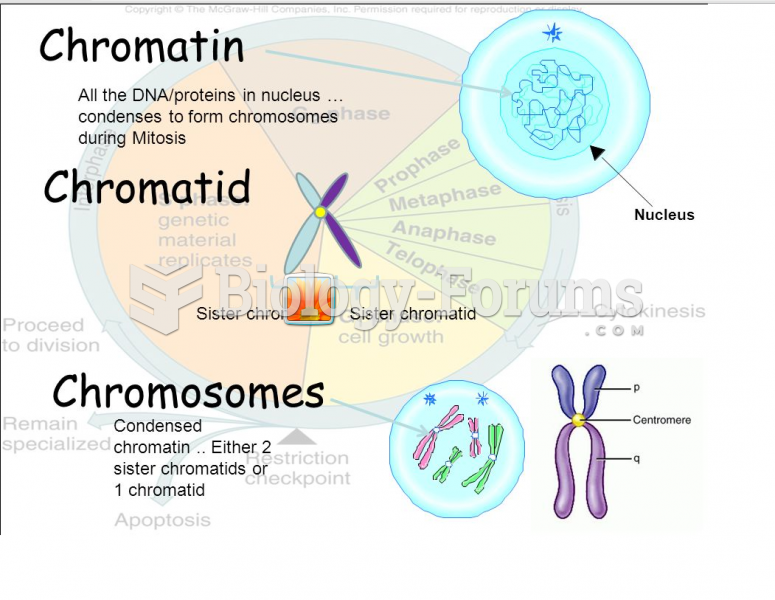 Difference between chromosomes, chromatids, and chromatins
 For some Americans, religion is an “easy-going, makes-little-difference” matter, as expressed in ...
 Facility Emergency Response Plans. Courtesy of Chris Weber, Dr. Hazmat, Inc.
 Explain how it can be desirable from an intertemporal perspective for a country run a current ...
 Siri plans to retire in 18 years and would like to receive $10 000.00 per month for twenty ...
 A farmer has 100 acres of land on which she plans to grow wheat and corn. Each acre of wheat ...