
|
|
|

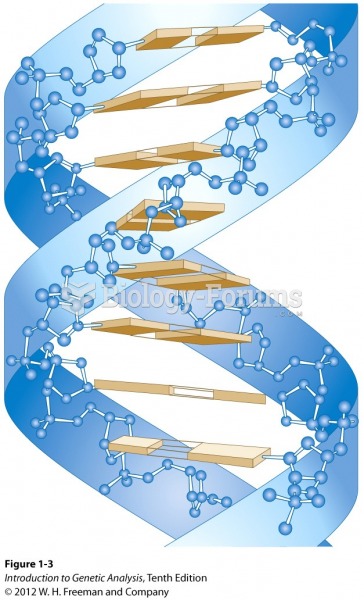 DNA is biological information
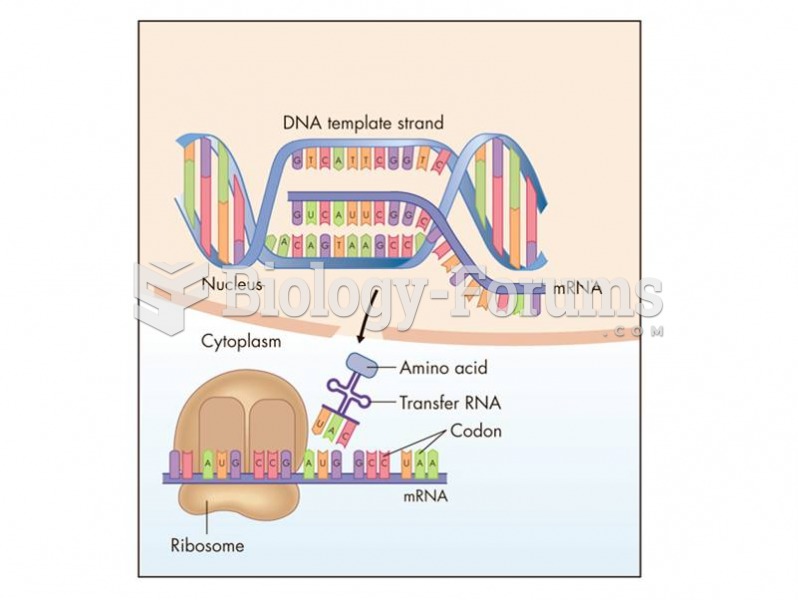 Messenger RNA (mRNA) carries genetic information from the nucleus to the cytoplasm for protein synth
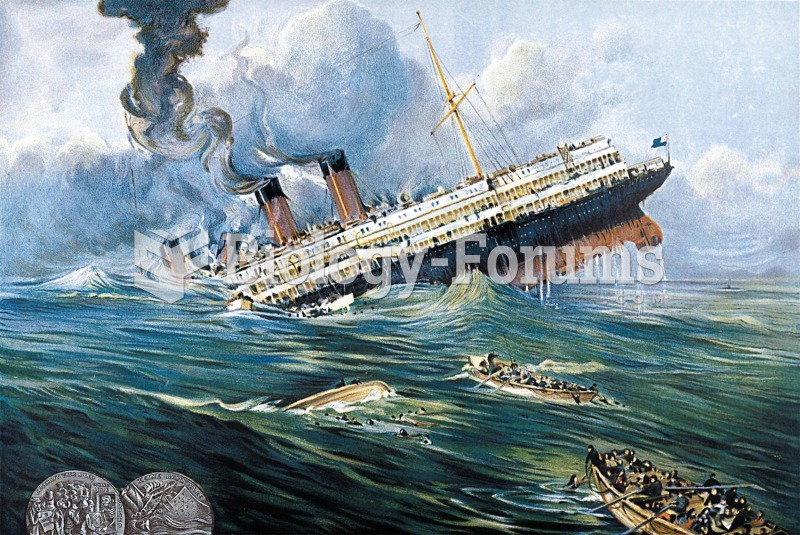 The Titanic carried only twenty lifeboats, a reason why so many perished in 1912. The Lusitania (abo
 A Simplified Model of Information Flow in Human Memory
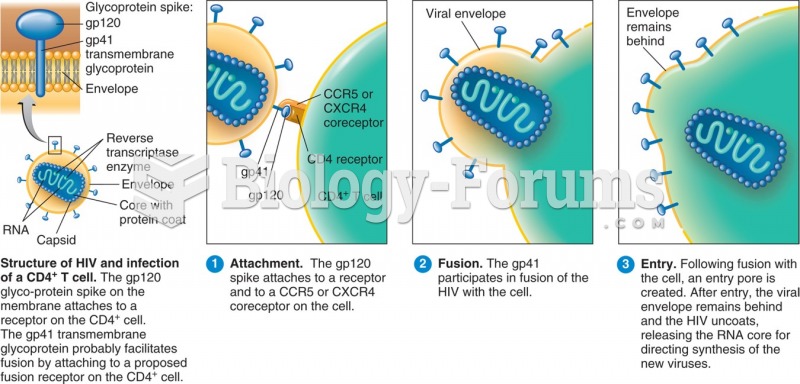 Attachment and cell entry by HIV.
 How to fit an exponential model to data