Answer to Question 1
With the OSI model, the seven layers can be divided into two categories: end-to-end layers and chained layers. The top four layers are the end-to-end layers: application, presentation, session, and transport. These four layers are end-to-end because the layers on the sender's end and receiver's end directly communicate with each other. The four top layers on each end establish a communication. This communication provides an end-to-end connectivity. The remaining three lower layersnetwork, data link, and physicalare the chained layers. These three layers are chained in that they are used to link, or chain, one physical device to another in a communication path. The number of devices that need to be linked, or chained, depends on the number of intermediary devices or networks between the sender and receiver of a communication. In a network or enterprise, there may be many intermediary devices or networks between a sender and receiver. The lower three layers provide the chain of links that permits the sender and receiver to have a communication.
Answer to Question 2
D


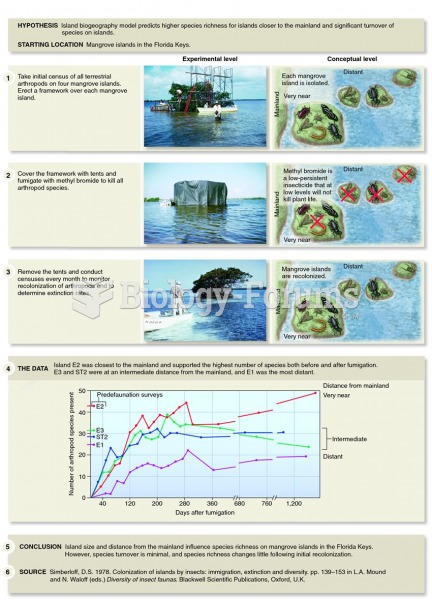 Wilson and Simberloff's experiments on the equilibrium model of biogeography.
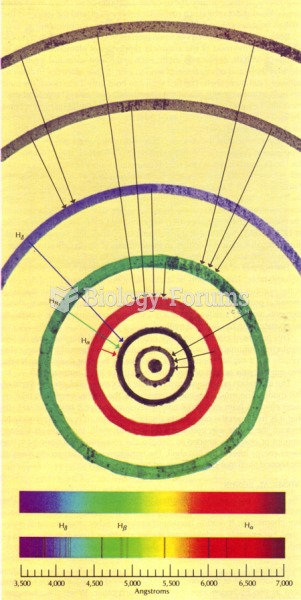 Bohr Model of Hydrogen Atom
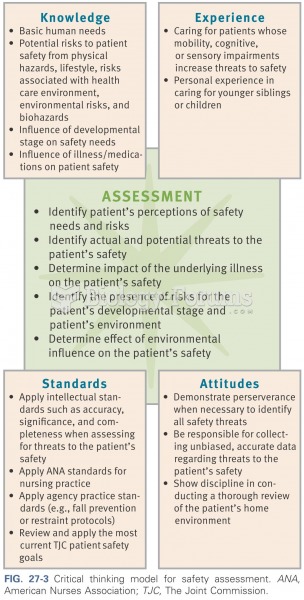 Critical thinking model for safety assessment
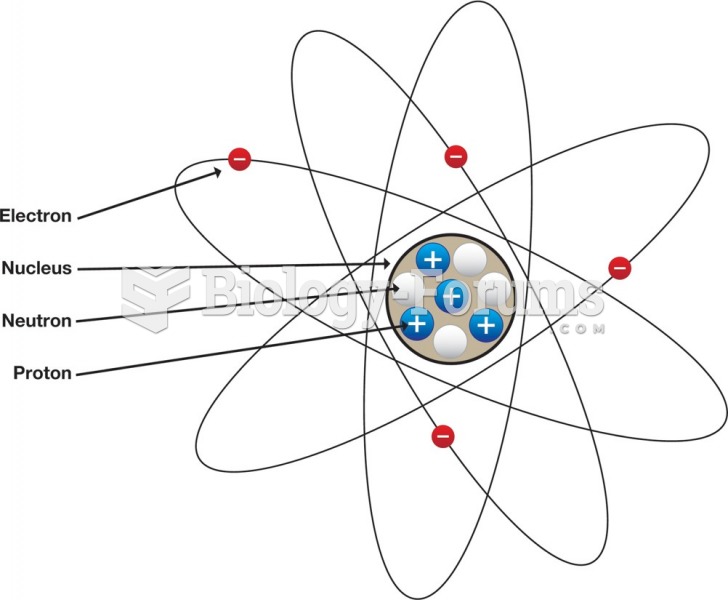 The Bohr model of the atom. The nucleus contains protons and neutrons, and electrons orbit around ...
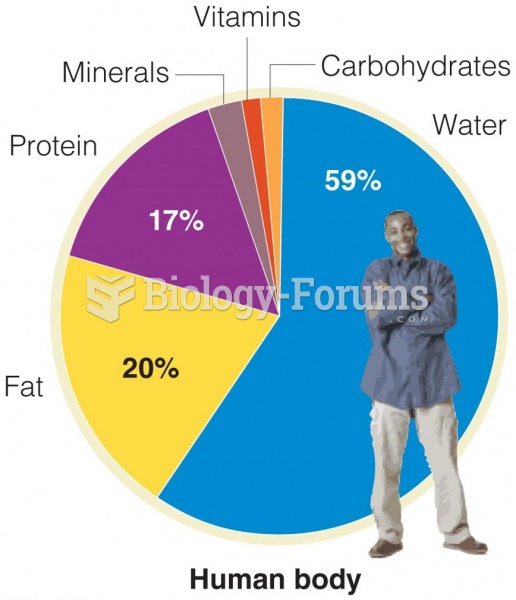 There Are Six Categories of Nutrients
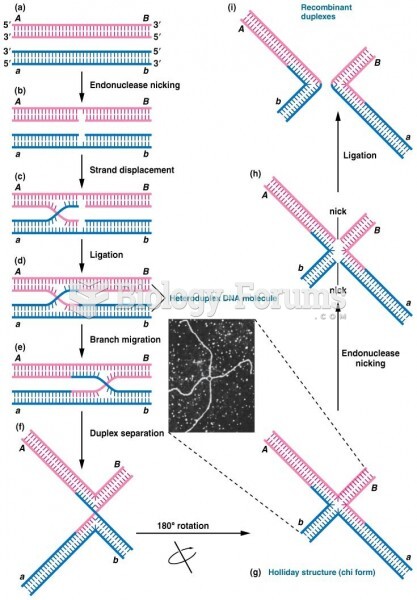 Model depicting how genetic recombination