In most cases presented to the Supreme Court, the bulk of the argumentation presented by either side will be found in the
A) brief.
B) certiorari petition.
C) oral argument.
D) per curiam decision.
E) new evidence.
Question 2
In 1974, the Supreme Court held that it would no longer hear class-action suits seeking monetary damages
A) unless the case deals with sovereign immunity.
B) unless each and every ascertainable member of the class was individually notified of the case.
C) unless both parties have exhausted all other legal avenues.
D) unless both parties claim standing.
E) unless there is fee shifting.


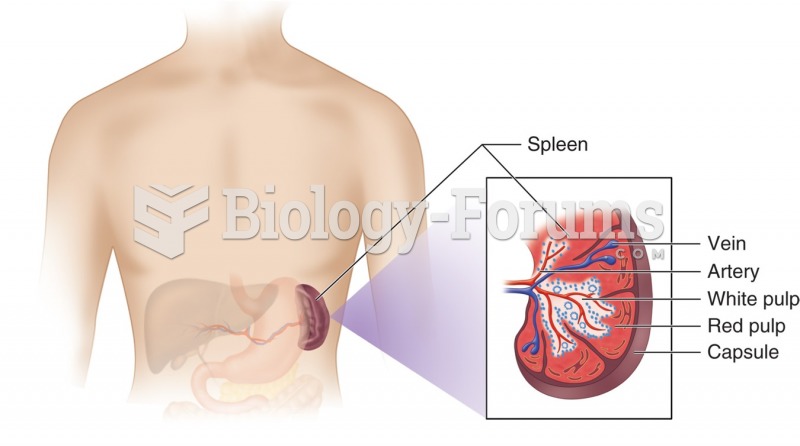 The spleen. Upper left side behide stomach
 Knead accessible leg and hip muscles; alternate with effleurage. Avoid massage of the medial side of ...
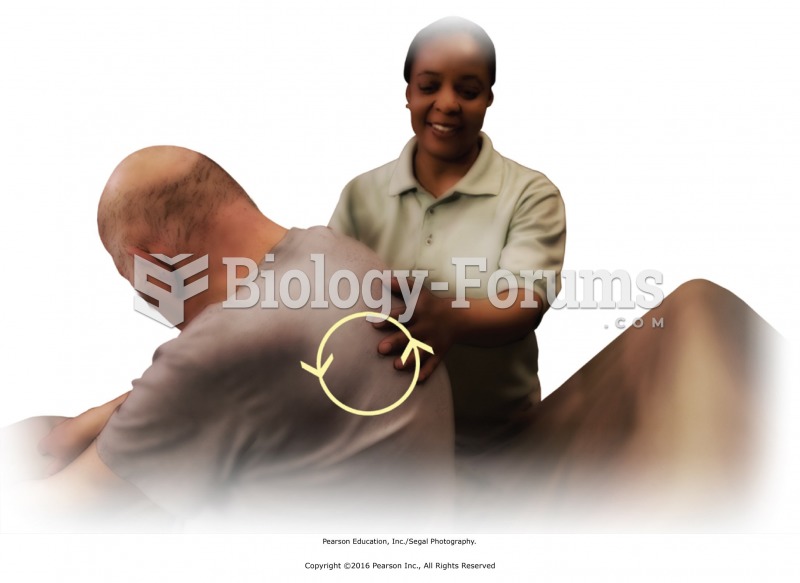 Apply superficial friction to the upper and lower back. Stand to one side. Ask the recipient to lean ...
 Tummy rock. Standing on the recipient’s right side, rest your left hand on the forehead and your ...
 Brushing off to finish-back. In a quiet voice ask the person to sit up with legs off the side of the ...
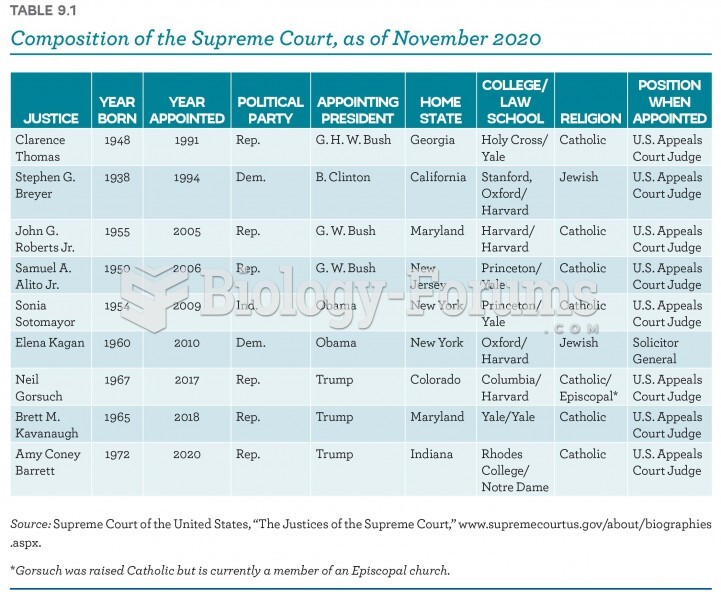 Composition of the supreme court, as of November 2020