The 1978 Ethics in Government Act
a. was not applied to interest groups.
b. was declared illegal by the Supreme Court.
c. was totally ignored by interest groups.
d. had some effect on lobbying activity.
e. disallowed personal contact between lobbyists and politicians.
Question 2
What is perhaps the best example of group persistence?
a. the National Rifle Association
b. the National Educational Association
c. the civil rights movement of the 1950s and 1960s
d. the American Medical Association
e. the National Organization of Women


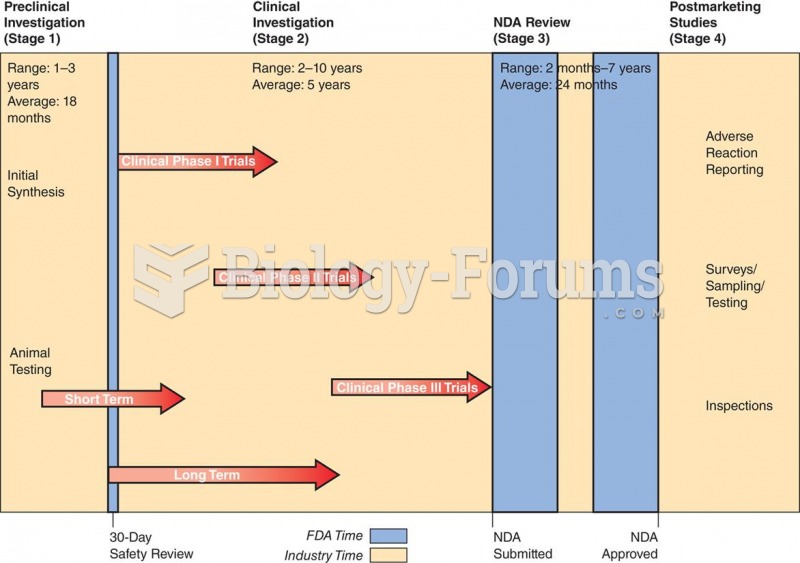 The approval of a new drug is a four-stage process: (1) preclinical investigation, (2) clinical inve
 Many thought ideological politics was over in the United States, but 2012 showed strong ideological
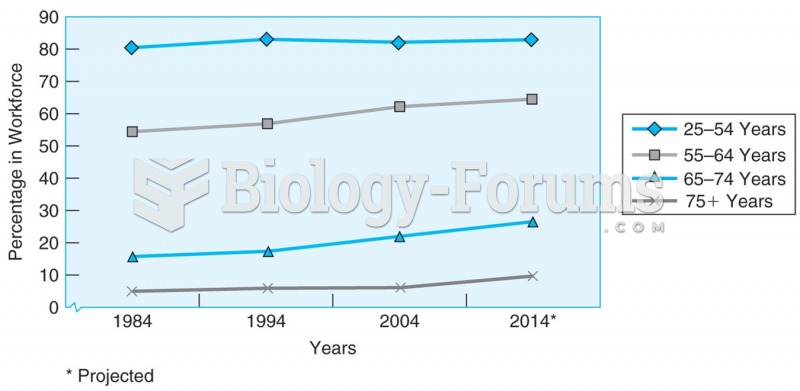 The proportion of U.S. adults in the workforce has increased slightly for older age groups over the ...
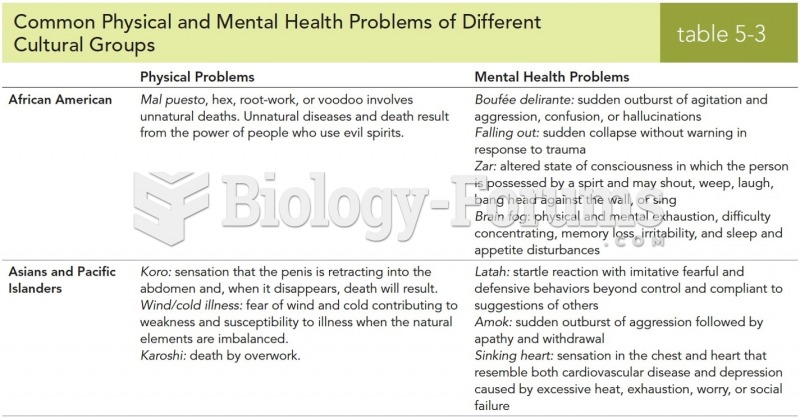 Common Physical and Mental Health Problems of Different Cultural Groups
 Synthesis of polar head groups of bacterial phospholipids
 A non-interest-bearing five-year note for $54600.00 issued May 1, 2015, is discounted April 1, ...