Which of the following statements about the effects of changing technology on campaigns is true?
A) The large number of cable television channels allows politicians to communicate with many more citizens.
B) Candidates have more trouble getting their names in the media.
C) Constant news coverage creates more quality information provided about candidates.
D) Web sites have not yet made much impact on campaigning.
E) New technology has had no real visible effect.
Question 2
In which state did voters pass a statewide law denying state services to illegal immigrants and their children?
A) Arizona B) Texas C) California D) Illinois E) Florida


 Effects of ¬hormones.
 Changing Seasons on Mars
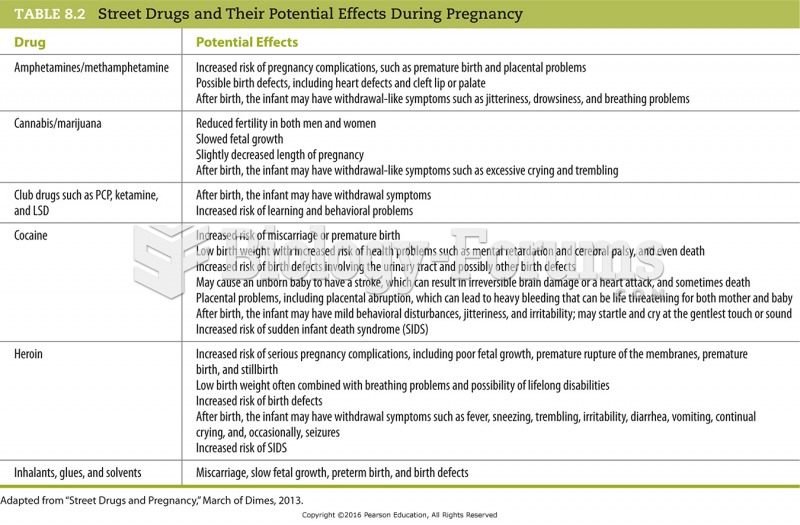 Street Drugs and Their Potential Effects During Pregnancy
 The effects of undernourishment on the body systems.
 Effects of alterations in Shh morphogen activity in the floor plate and the limb bud
 Regulatory effects of the vascular endothelium in normal and pathologic states