Indigenous peoples are:
a. the peoples who were native to the Americas, Europe, Asia, Africa, and Oceania at the start of European expansion.
b. the conquering populations of Europe at the start of European expansion.
c. the culturally heterogeneous communities at the start of European expansion.
d. has little involvement in or influence on culture.
Question 2
The peoples who were native to the Americas, Europe, Asia, Africa, and Oceania at the start of European expansion are called:
a. indigenous peoples.
b. savages.
c. locals.
d. inhabitants.


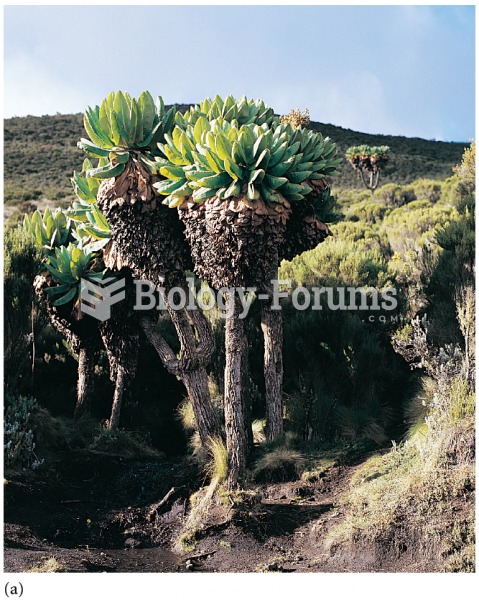 Convergence among tropical alpine plants: (a) Senecio trees on Mount Kilimanjaro, Africa
 The tiger, Panthera tigris, was historically found throughout much of Asia, but at low population de
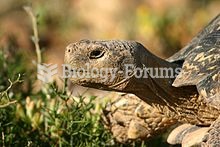 Adult male tortoise, South Africa
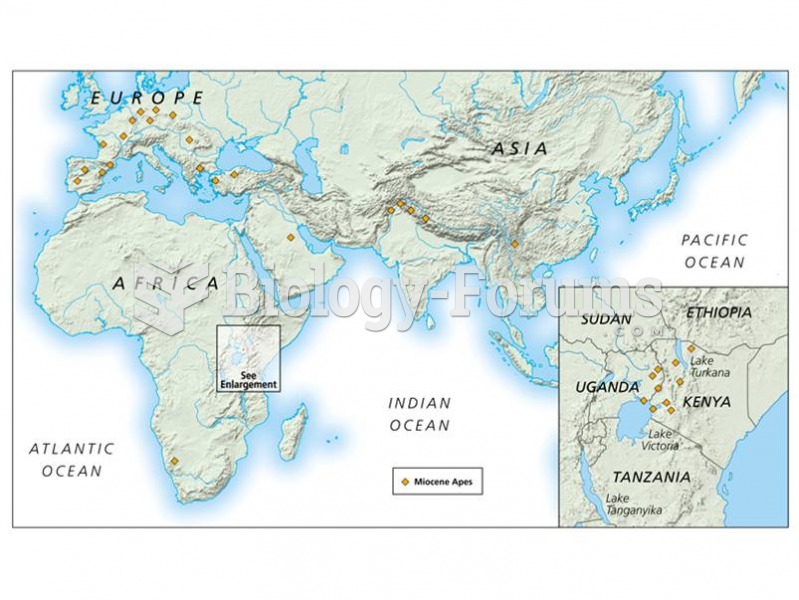 Miocene apes were found throughout Europe, continental Asia, and Africa.
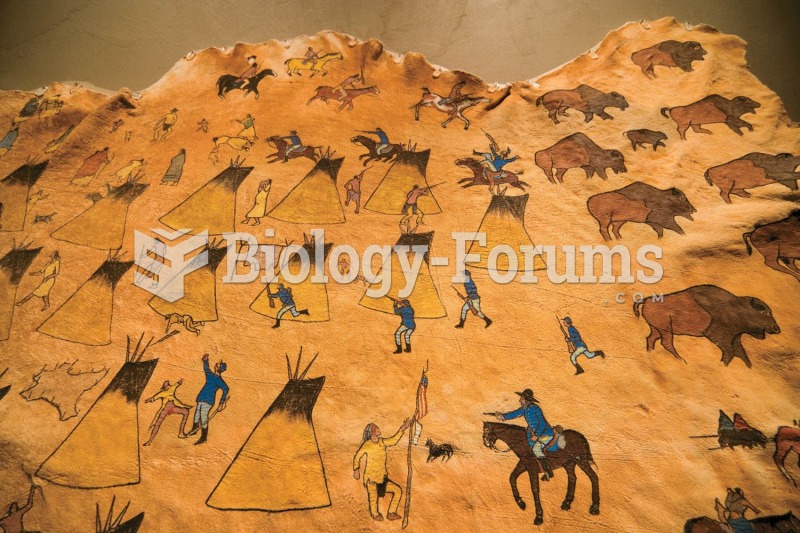 This Native American depiction of the Sand Creek Massacre, painted on a buffalo hide, shows the Indi
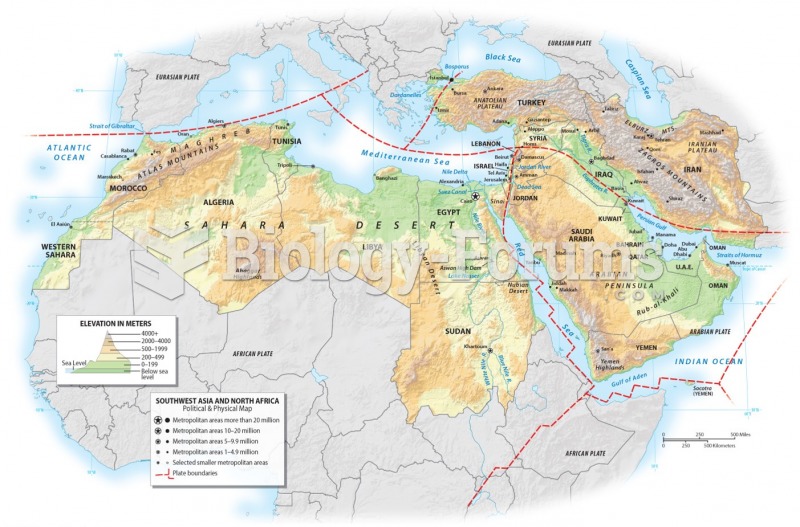 Southwest Asia and North Africa