Did you know?
All patients with hyperparathyroidism will develop osteoporosis. The parathyroid glands maintain blood calcium within the normal range. All patients with this disease will continue to lose calcium from their bones every day, and there is no way to prevent the development of osteoporosis as a result.
Did you know?
Tobacco depletes the body of vitamins A, C, and E, which can result in any of the following: dry hair, dry skin, dry eyes, poor growth, night blindness, abscesses, insomnia, fatigue, reproductive system problems, sinusitis, pneumonia, frequent respiratory problems, skin disorders, weight loss, rickets, osteomalacia, nervousness, muscle spasms, leg cramps, extremity numbness, bone malformations, decayed teeth, difficulty in walking, irritability, restlessness, profuse sweating, increased uric acid (gout), joint damage, damaged red blood cells, destruction of nerves, infertility, miscarriage, and many types of cancer.


 These species are all at risk of extinction.
 Shark - These species are all at risk of extinction
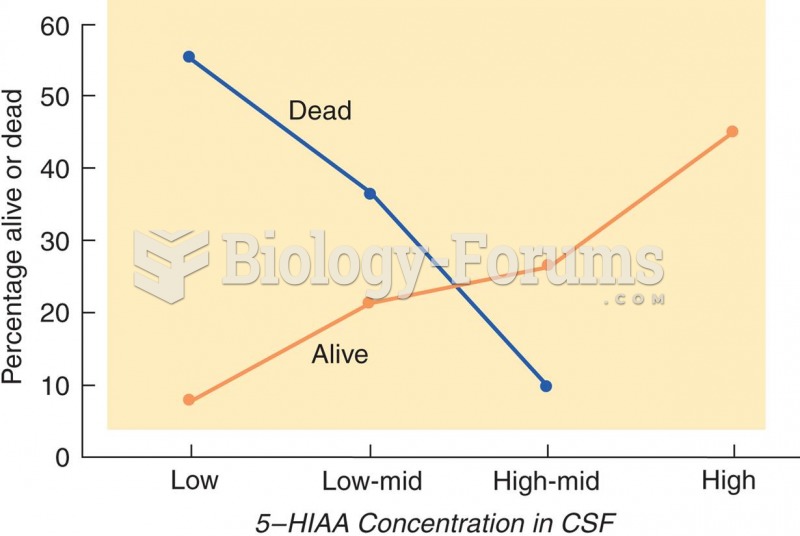 Serotonin and Risk-Taking Behavior
 In 2008, the U.S. economy suffered a gaping wound as several trillion dollars were ripped out of it.
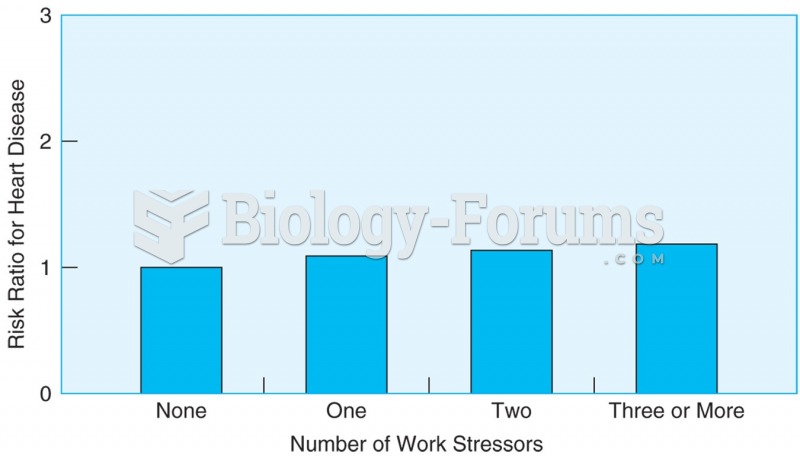 Men who are at risk for heart disease and report work-related stressors are at greater risk of death ...
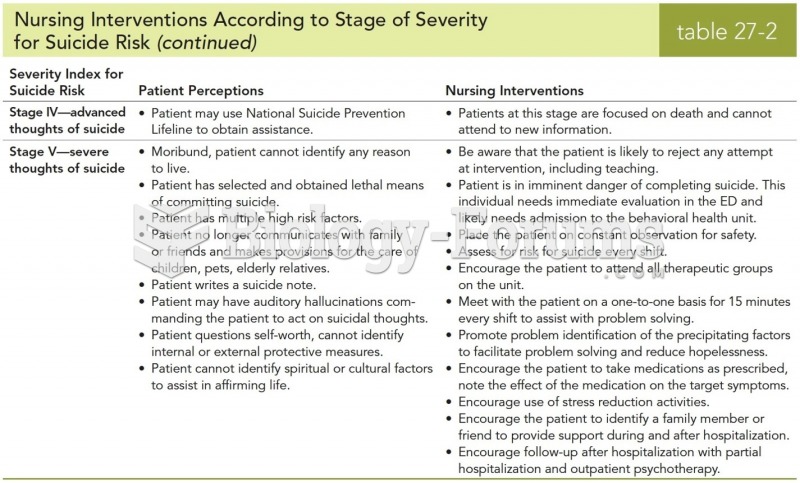 Nursing Interventions According to Stage of Severity for Suicide Risk