An emergency room nurse is caring for an elderly client brought in by a neighbor. The neighbor states that the client lives with her son who drinks a lot. While assessing her client, which of these symptoms would suggest elder neglect?
A) Cracked dry skin on the lower legs bilaterally
B) Small category 1 skin tear to the right elbow
C) Thick, yellow fingernails
D) Dry, cracked lips and tongue
Question 2
A home health care nurse has asked an older client's caregiver to complete a questionnaire regarding caregiver strain.
The caregiver states, You are here to see my mom, why do you need information about me? Which is the most appropriate response by the nurse?
A) We need information about how you are dealing with caring for your mother. We don't want you to become overwhelmed.
B) We need to make sure you don't abuse your mother.
C) We fill this paperwork for all caregivers.
D) It's just something that the insurance companies make us fill out.


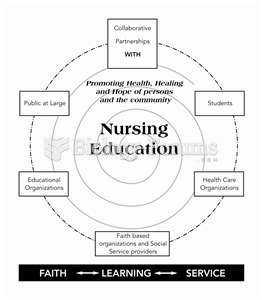 NUrse
NUrse
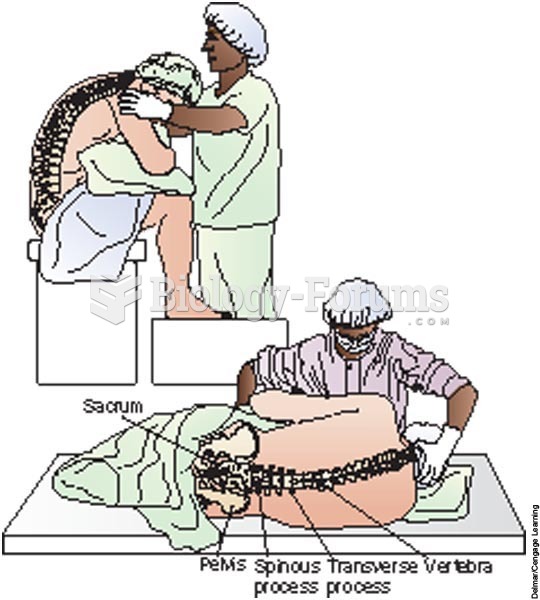 The surgical nurse assists the client into the correct position
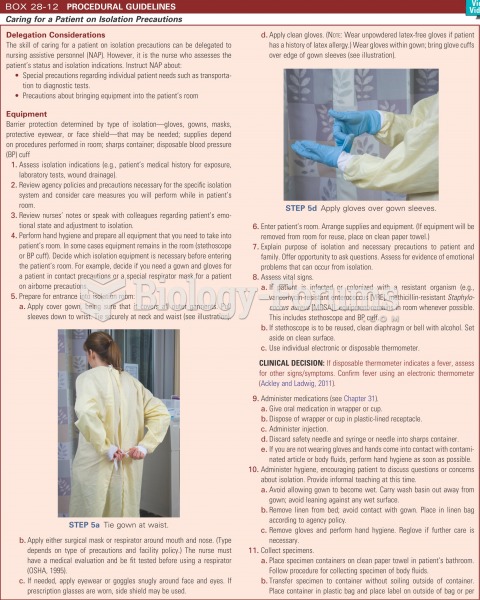 Caring for a patient on isolation precautions
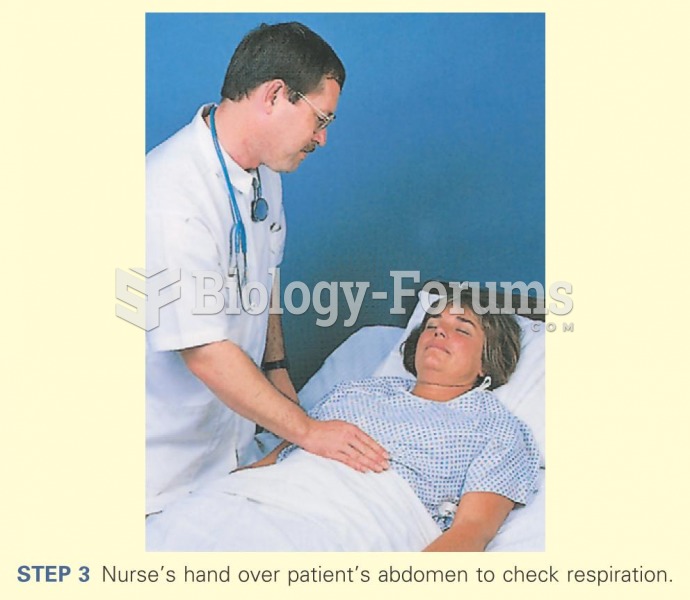 Nurse's hand over patients abdomen
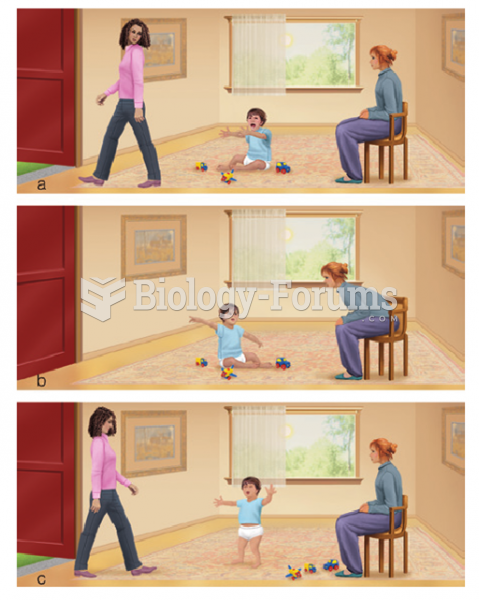 The strange situation. The Strange Situation features a series of episodes in which (a) the mother l
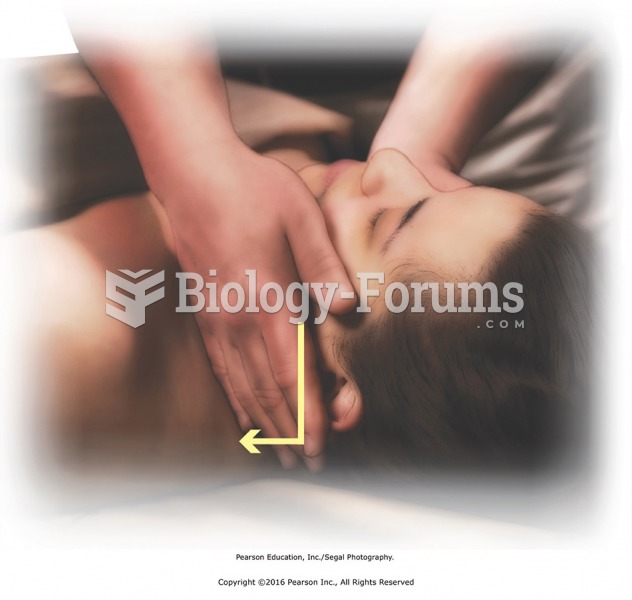 Stand at the side facing the client. Apply L stroke to both sides of the neck with flat fingers ...