Answer to Question 1
ANSWER: Poor countries generally do not have the resources to build and maintain protective barriers. Annual floods and storms already contribute to many deaths in low-lying coastal areas.
Answer to Question 2
ANSWER: Dark soot in the cloud of pollutants over the Indian Ocean absorbs heat and warms the upper atmosphere. However, it also reduces heat to the lower atmosphere and cools the surface of the ocean, which reduces evaporation. This in turn increases the intensity of regional droughts because less moisture is available to fall as rain.


 Each year, the leaders of the world’s eight most powerful nations meet in a secluded place to make ...
 Newly Industrialized Countries
 Newly Industrialized Countries
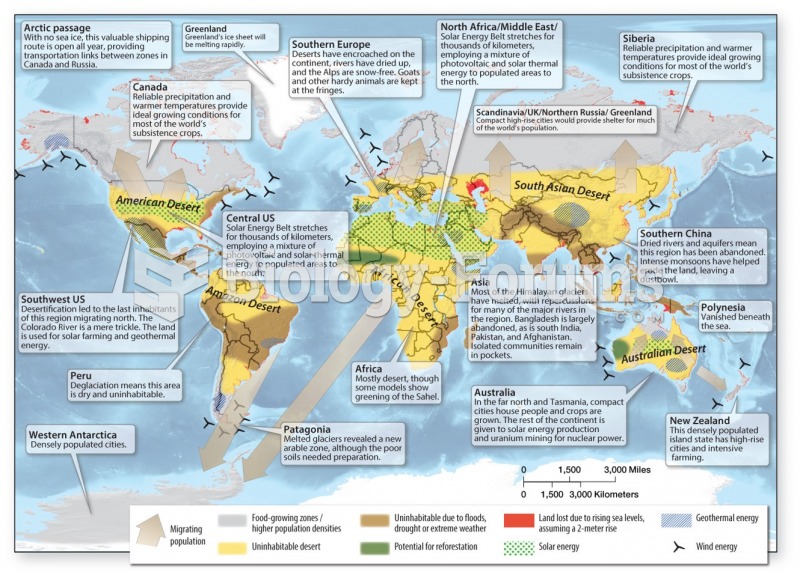 Water shortages, reduced agricultural capacity & coastal inundation are common themes
 Many countries do not produce enough food and need to import food from the United States
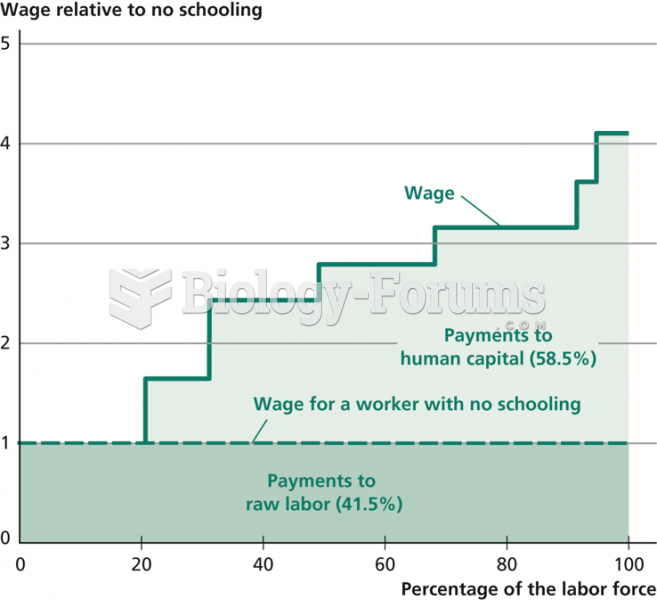 Share of Human Capital in Wages in Developing Countries