Answer to Question 1
Airless bodies develop where solar heating is strong and/or gravities are weak. Simply stated, small warm bodies have a better chance of losing their atmospheres because gas molecules are more energetic and need less speed to escape their weak gravities.
Answer to Question 2
The Moon originated from the impact of a large planetary body colliding with early Earth and tearing out a large chunk of molten Earth material that cooled within orbiting range and was kept within orbiting range by gravity.


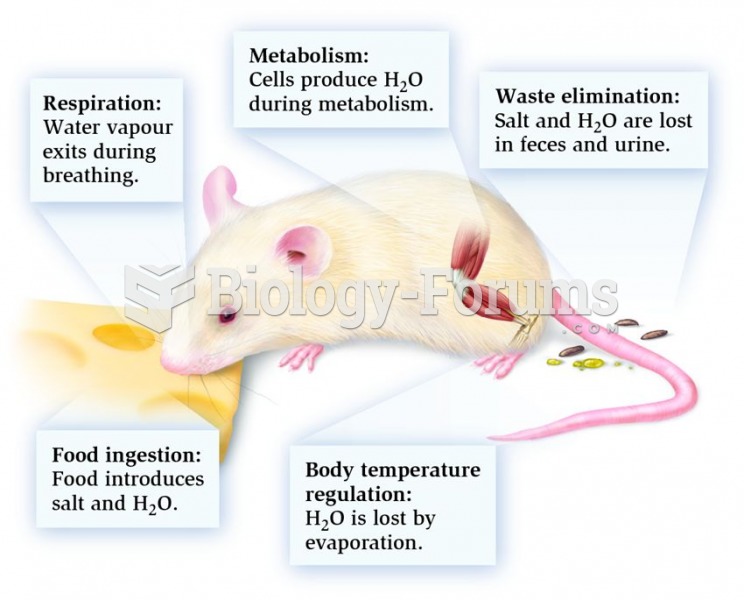 Types of obligatory salt and water exchanges in a terrestrial animal.
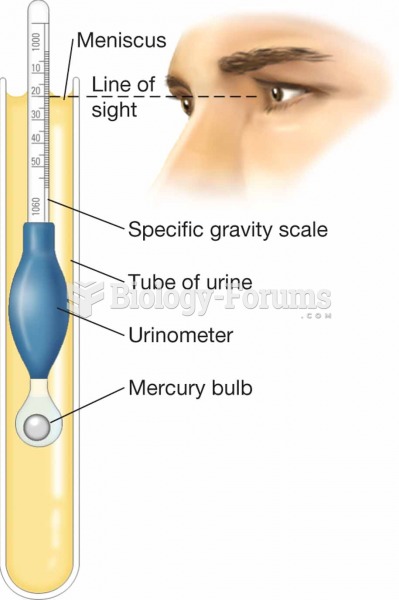 Urinometer. In this procedure, a urine sample and urinometer are placed within a tube, and the liqui
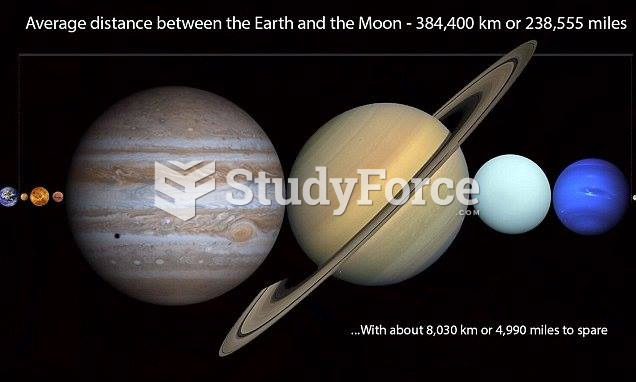 Planets, Earth and Moon
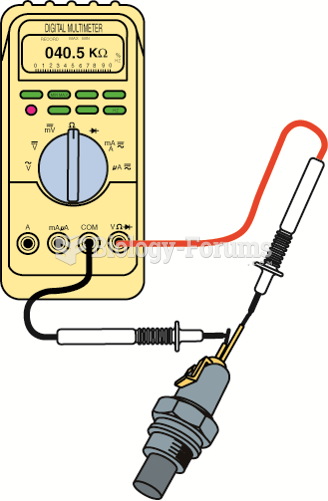 Measuring the resistance of the ECT sensor. The resistance measurement can then be compared with ...
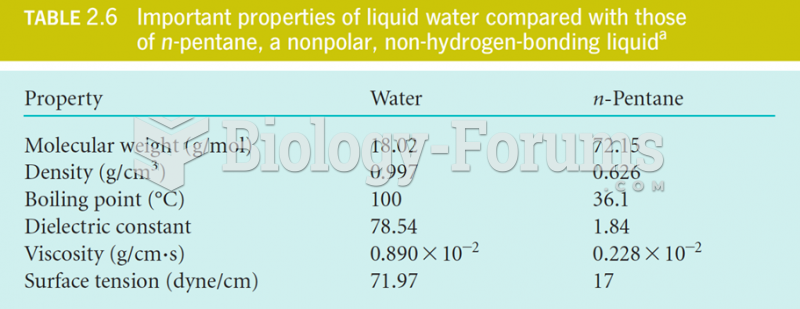 Liquid Water Properties compared with n-pentane, nonpolar, non-hydrogen bonding liquid
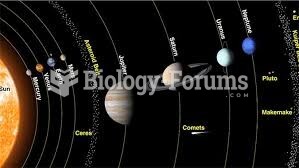 Planets