
This topic contains a solution. Click here to go to the answer
|
|
|

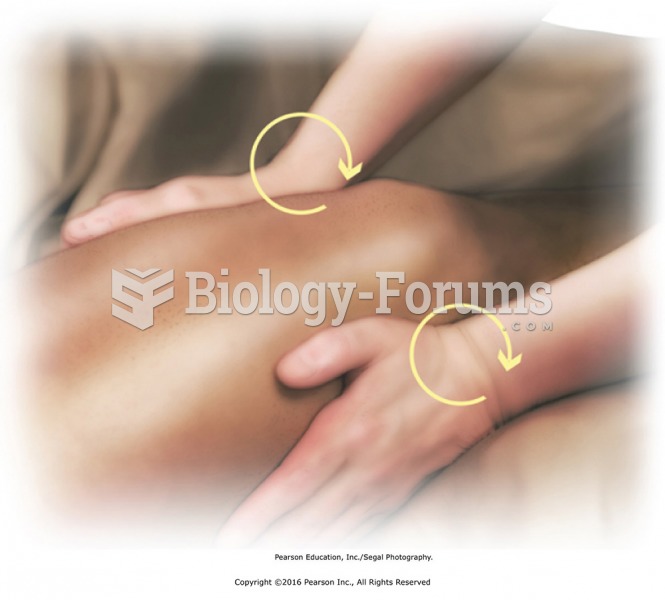 Apply circular friction around the knee with the heels of the hands moving the skin over soft ...
 Apply gentle circular friction to the temple area.
 Apply transverse friction to tendons at the shoulder with thumb or fingertips. Add stripping ...
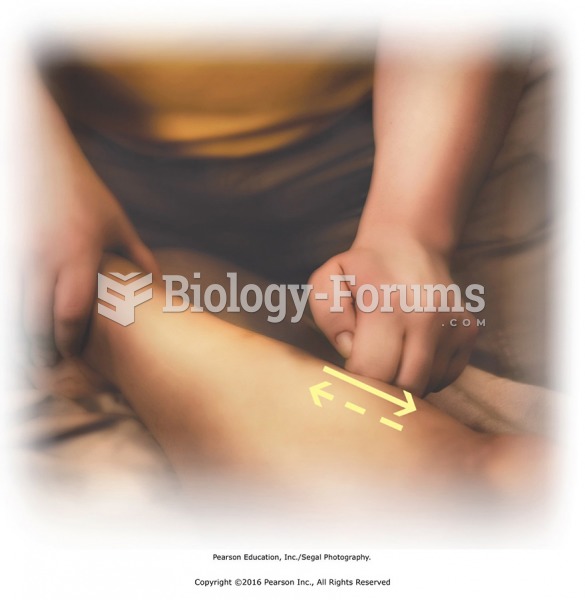 Knuckle friction to tibialis anterior. Apply superficial friction along lateral side of tibia from ...
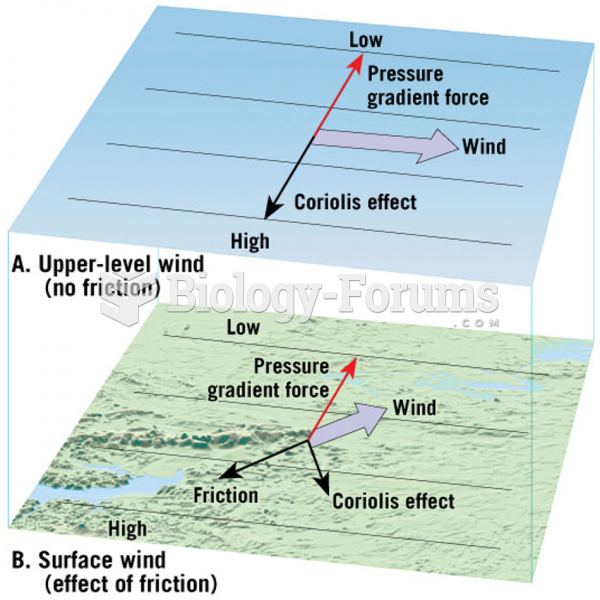 Effects of Friction on Wind
 Holly Humberstone - Falling Asleep At The Wheel (Lyrics)